As an important member of the family, the dog is "fancy spoiled" by the shoveling officer, who usually knows nothing about the soft food such as ham sausage, meat, canned food, which may cause dental calculus in the dog, which has to be thought-provoking..
What is dental calculus? How did it come into being?
When people impose their eating habits on dogs and fail to clean them up in time, they will cause dental calculus to act arbitrarily in the mouth.
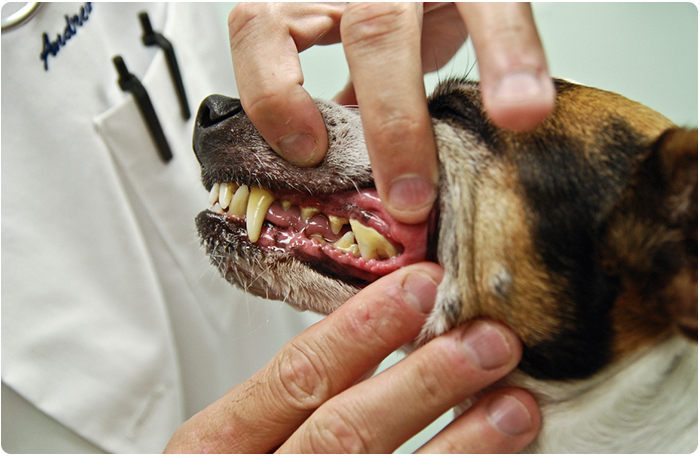
There are many causes of dental calculus in dogs, including congenital heredity, food structure, drinking water quality, oral acidity and alkalinity, and oral cleanliness. Comparatively speaking, the incidence of small and medium-sized dogs is higher than that of large dogs.
Plaque and tartar come first
The dog's teeth are covered by a thin film soon after eruption. If the dog eats soft, thin, sweet or low-cellulose food (snacks, meat, etc.) For a long time, food residues and bacteria in the mouth will adhere to the film. The original acidity and alkalinity of the oral cavity have changed, making the smooth enamel gradually form plaque and tartar, and the former white teeth have gradually become "rhubarb teeth".
Through the function of the C. E. T complex enzyme, the bacteria forming the dental plaque are inhibited, the breath is kept fresh
Dental calculus appears
Dental calculus is formed by calcium and phosphorus deposition caused by the interaction of dental plaque or tartar with some components of dog saliva, so the main component of dental calculus is inorganic salt.
Adding mouthwash to your pet's daily drinking water in a ratio of 1:100 can effectively reduce tartar for long-term use.
What does dental calculus look like?
Dental calculus is generally light yellow to yellowish brown, the texture of the removed dental calculus is hard, brittle than teeth, the color is relatively uniform, gradually fading from the base to the top of the dental calculus.
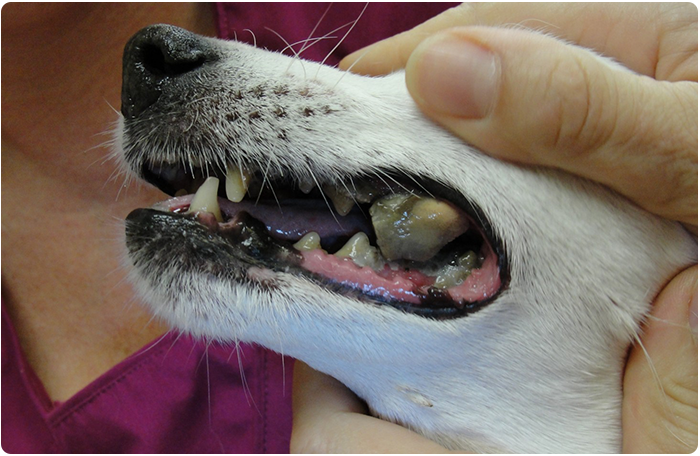
According to the different parts of dental calculus formation, it can be divided into supragingival calculus and subgingival calculus with the gingival margin as the boundary. No matter what kind of dental calculus, it will constantly stimulate the periodontal tissue of the oral cavity, and at the same time oppress the gingiva and periodontal tissue, affecting the blood circulation around the teeth.
The harm of dental calculus to dogs?
1 Causing other oral diseases
Stones are attached around the teeth that are not easy to occlude and run in for a long time, and at the junction with the gingiva, they oppress the surrounding soft tissues. Dogs with simple dental calculus have red, swollen and inflamed gums, difficulty in chewing, do not like to eat hard food, bad breath, and drop food from the mouth when eating.
If long-term stimulation and oppression can not be effectively relieved, and dental calculus contains a large number of bacteria, it is easy to cause gingivitis, periodontal disease, gingival atrophy.
Causing liver and kidney disease
Dental calculus accumulates on the surface of teeth for a long time, which can easily cause tooth loosening, and even cause a large number of bacteria in the mouth to infect the kidney and liver with blood circulation, resulting in diseases of these organs, and may also cause diabetes, cardiovascular diseases and digestive tract diseases.
Experience in prevention and treatment of dental calculus
Treat dental calculus
When the shoveling officer finds that the dog has difficulty chewing, loss of appetite, excessive drooling and smelly mouth, problems may occur, and the dog should be sent to a regular pet hospital in time for treatment.
(1) Surgical removal of dental calculus
Dogs who are not seriously ill can use ultrasound to clean their teeth through surgery, thoroughly remove tartar and calculus, polish the surface of the teeth, and disinfect the mouth.
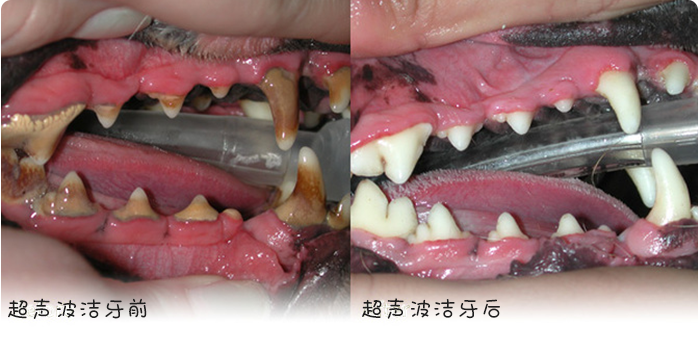
For dogs with other periodontal disease, remove loose teeth and teeth with exposed roots, remove pus from swollen gums, and use broad-spectrum antibiotics to control infection.
(2) Postoperative care is very important.
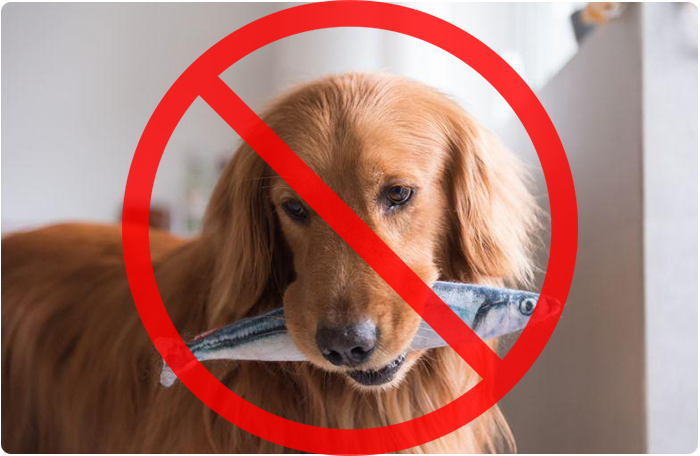
Nursing is very important, 3 days after the operation, the dog had better eat nutritional cream, if the dog has a poor appetite, it should be taken to the pet hospital for infusion to supplement the energy and vitamins needed by the body. Start eating soft food after 3 days, avoid feeding fishy food such as fish, so as not to affect wound healing. Wash the mouth with lotion every day, take painkillers and anti-infective drugs orally, and review after about 10 days.
Prevent dental calculus
(1) Clean oral cavity regularly
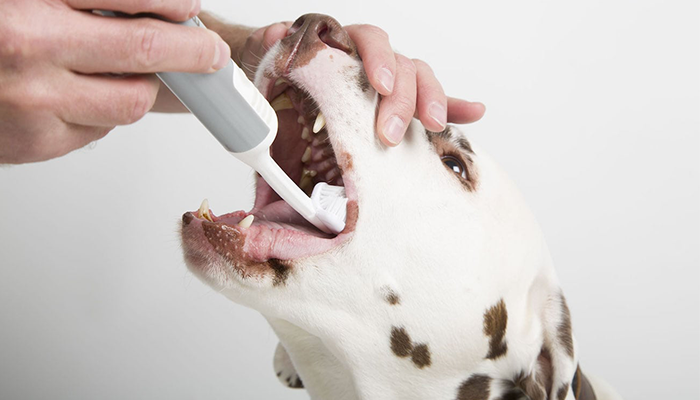
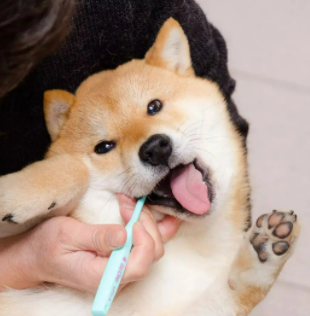
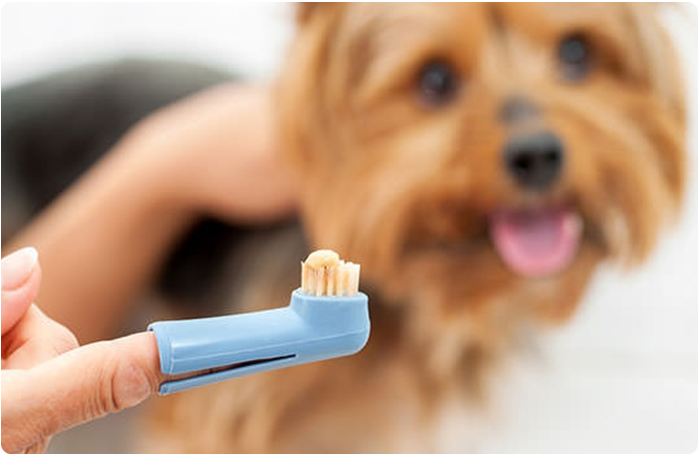
Shovel officials should pay attention to the cleanliness of the dog's mouth, choose a special toothbrush for pets to brush their teeth regularly, remove food residues and tartar left around the dog's teeth after eating in time, or often use oral cleanser, and go to the pet hospital regularly for oral examination.
(2) Feeding hard or coarse food
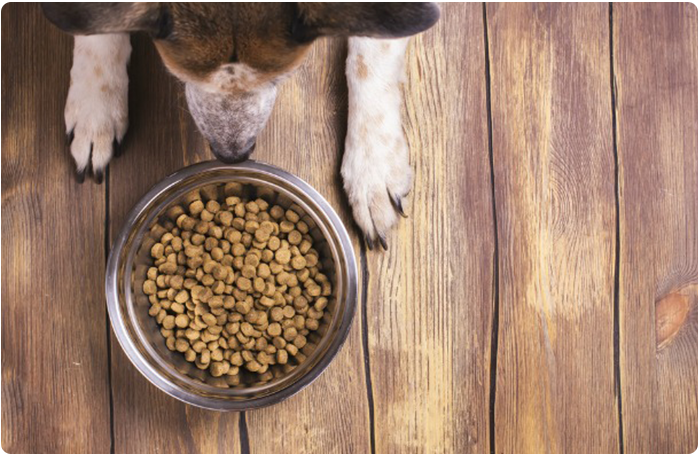
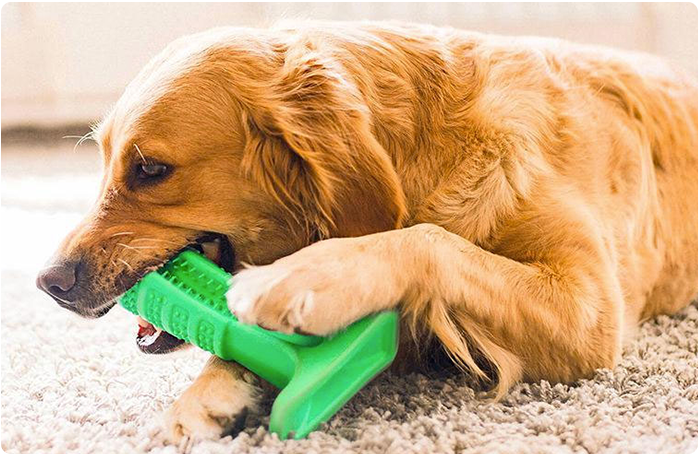
Dogs should eat less soft and sticky food and feed more coarse food, such as hard biscuits, which are more suitable for protecting teeth than meat. Let dogs regularly grind their teeth, chew glue sticks, etc., exercise their teeth, improve the self-cleaning ability of dogs'teeth, and feed prescription food when necessary.
(3) Choose appropriate drinking water.
Pay attention to the quality of drinking water, especially drinking less highly mineralized groundwater.
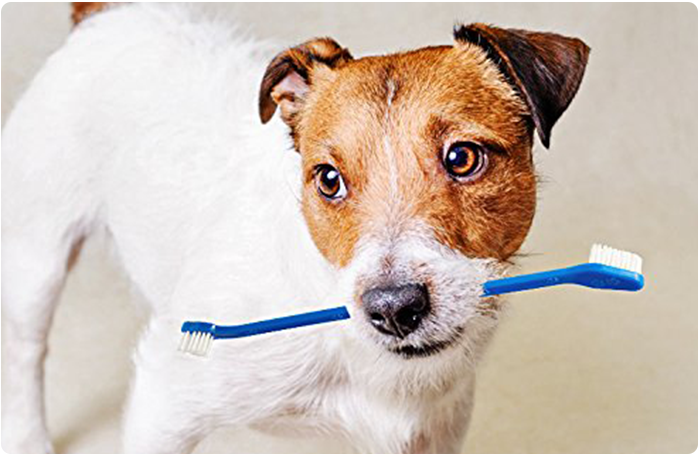
The growth of dogs can not be separated from the care of shoveling officials, but "excessive care" may cause dogs to face oral diseases, obesity, picky eating and other problems. Regular brushing and healthy diet can make dogs have good teeth, good health and accompany us for a long time.