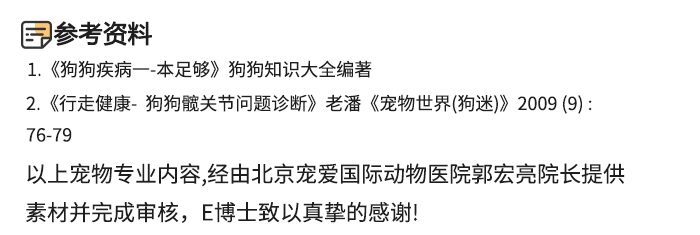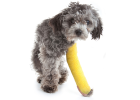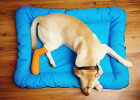
Usually lively and active dogs, when walking, always pad their feet, may return to normal after a while, why? Dr.
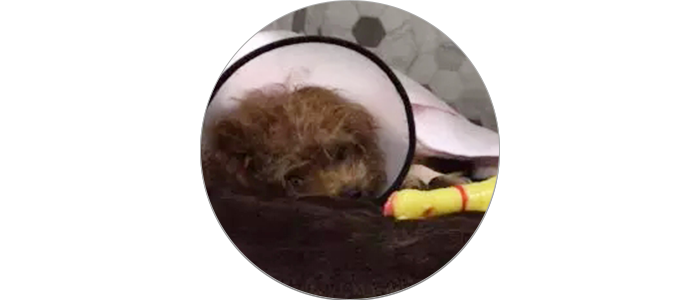
The protagonist is Chen Liuliu. A month ago, the owner found that Chen Liuliu was walking abnormally. He took the dog to a nearby hospital to take a film to check out the dislocation of the patella. He was told by the doctor that the dog was too small and could only be treated conservatively. The dog took oral medication for a period of time, but it did not alleviate, and the situation worsened.
The owner hurriedly took Chen Liuliu to the hospital again for treatment. At this time, Chen Liuliu walked with a severe limp. Let's take a look at Chen Liuliu's medical record first.
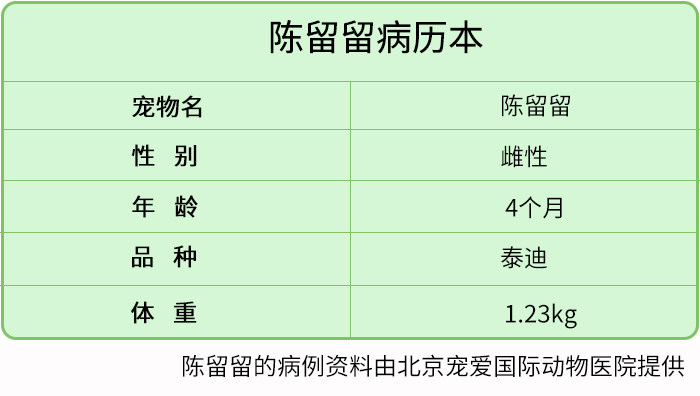
Hospital examination
Clinical examination
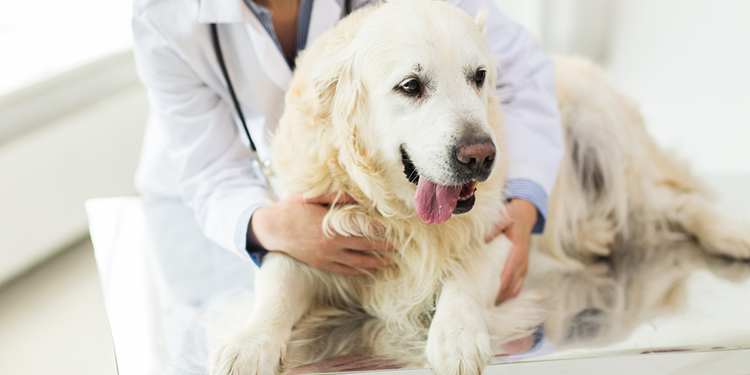
The doctor measured Chen Liuliu's body temperature at 38.4 ℃, auscultated his heart and lungs to be normal, palpated bilateral patellar dislocation grade 4, severe swelling of the knee joint, and muscle atrophy of the left hind limb.
2. DR imaging examination
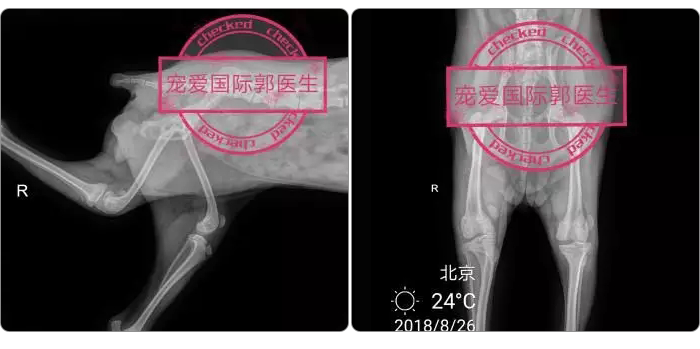
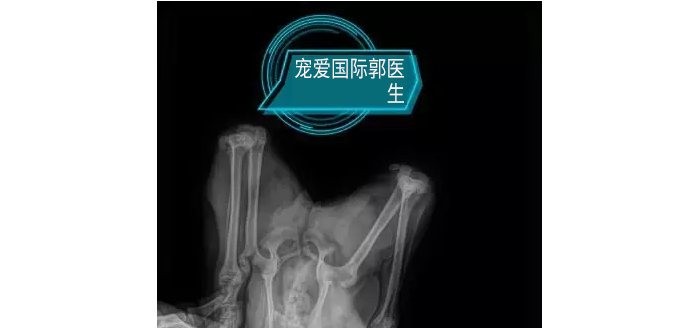
The doctor diagnosed Chen Liuliu as grade 4 patellar dislocation and bilateral knee arthritis.
Treatment plan
According to Chen Liuliu's condition, the doctor formulated the treatment plan of patellar dislocation correction and trochlea deepening tibial tubercle displacement.
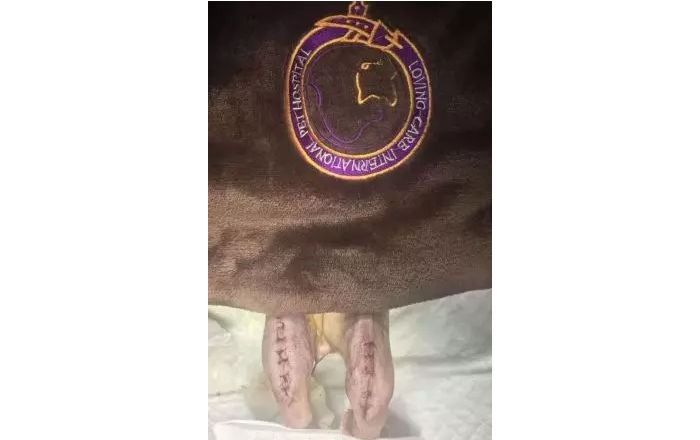
Postoperative hospital care.
Cases of patellar dislocation can not be ignored
Patellar dislocation is a common genetic disease in small dogs, especially in teddy dogs. According to the degree of dislocation, it can be divided into one to four grades.
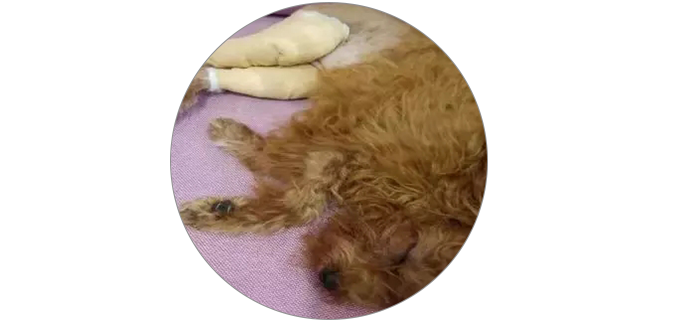
Cause of patellar dislocation
Patellar dislocation is divided into congenital and acquired.
How to treat
Efficacy and duration of treatment depend on severity, including how often the patella protrudes from the trochlea, how easily the trochlea is retracted, and whether there are secondary conditions, such as osteoarthritis.

Generally, grade I and II dislocations can be treated conservatively, while grade III and IV require surgery to ensure that the patella is located in the femoral trochlea, while preventing pain caused by osteoarthritis and alleviating it with medication.
Daily prevention and care
How to prevent patellar dislocation
80% of patellar dislocation in VIP babies is caused by heredity, but it can be prevented by daily care.

(1) Do not encourage dogs to walk on both legs, jump high and other actions to increase the weight of hind legs, and do not let TA exercise too much in childhood.
Early detection of patellar dislocation.
When a hairy child walks and occasionally lifts his legs, the shoveling officer should pay more attention.
Dogs with severe lameness can clearly see the obvious dislocation of the patella. At this time, it is recommended that the shoveling officer take the dog to the hospital for examination by a professional healthcare workers.

Small dogs can be palpated from three months to determine whether there is a problem of patellar displacement. If such problems are found, they should be reexamined every two months, palpated or photographed, so as to achieve early detection and early treatment.
How to help dogs recover after surgery
The dog's movement should be restricted after the operation, and the effect is generally good. Special attention should be paid to the fact that surgery can not prevent the development of bone and joint degenerative diseases, and regular follow-up is needed after surgery.
Remind the shoveling officer
Although patellar dislocation is a common disease of dogs, it brings great distress to many dogs and parents, but through daily careful observation, early diagnosis and treatment, scientific maintenance, it can basically recover.