Dogs rely on the sense of smell, curiosity and easily excited, in life will inevitably encounter such and such unexpected situations. This article invites Dr. Chen Xiaoqin of Mingwang Pet Hospital to take parents to learn about 10 kinds of accidental injuries that dogs are prone to, and how to deal with and prevent them.
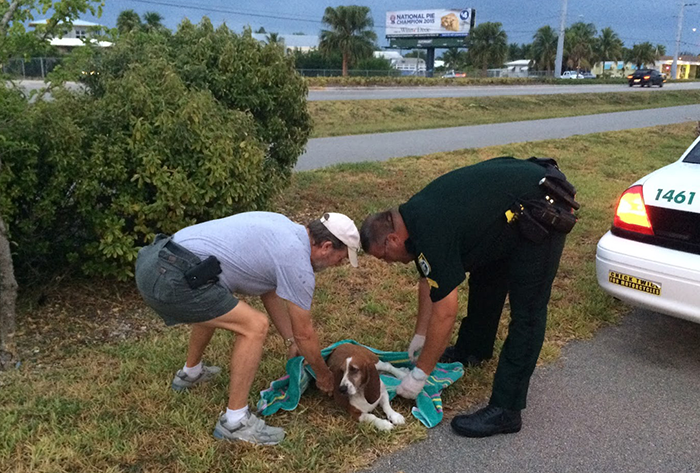
Injured in a car accident
Car accident injury is one of the common accidental injuries of dogs. Dogs that are hit usually suffer from head trauma, fracture, joint dislocation, internal organ damage, bleeding and abrasion.
Emergency treatment and prevention
Accidental bite
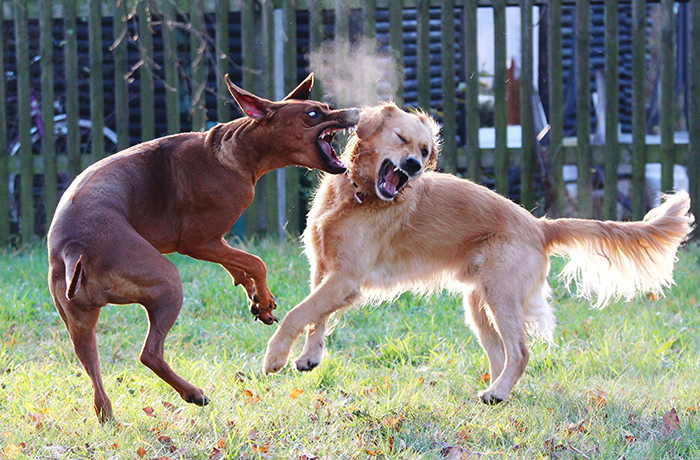
Dogs will always encounter unexpected situations when they go out to socialize, such as fighting with other dogs, which usually causes facial features (keratitis, nose scratches) and skin damage.
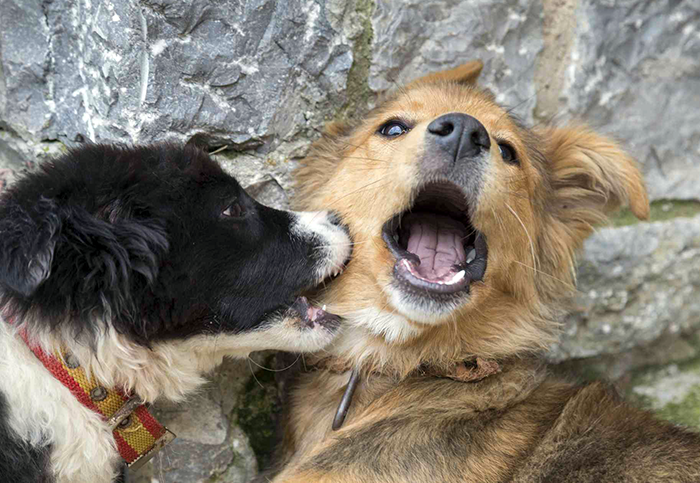
Common conditions such as small dogs are often seriously injured after being attacked by dogs, because puppies are likely to be bitten up and shaken, prone to tearing of skin tissue, and causing internal injuries.
Emergency treatment and prevention
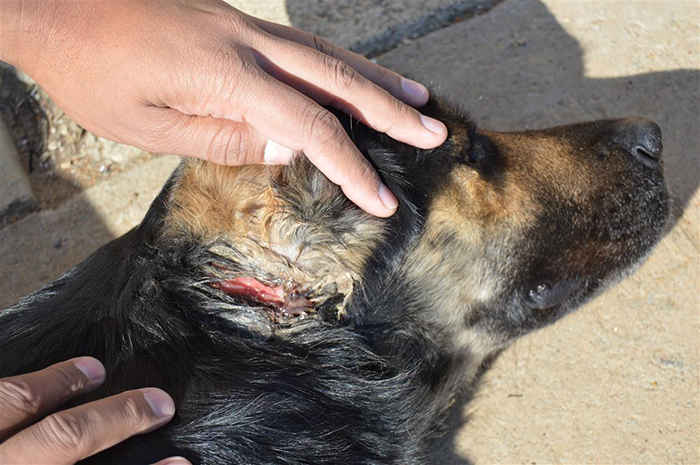
After the dog is bitten, check carefully to see if there is any wound. If the skin is simply scratched by the teeth, it only needs to be wiped and disinfected with iodophor. Bleeding requires shaving and medical attention to check the depth of the wound.
Eye trauma
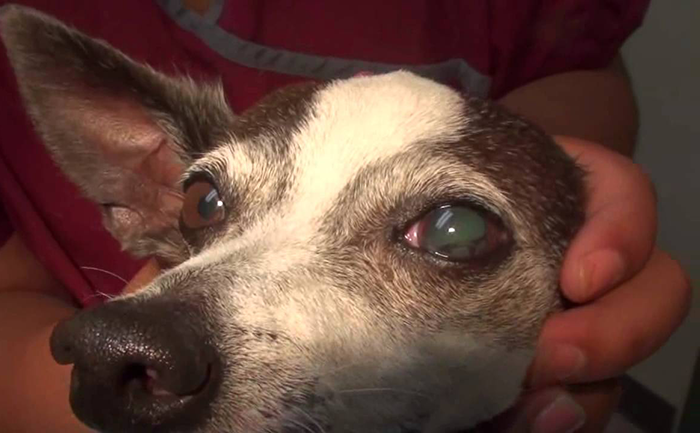
Accidental eye injuries are also common in dogs, which often lead to blindness, tears, eye tears or abnormal secretion, as well as redness and swelling.
Deal with it in time
Due to the rapid deterioration of eye injuries, if eye injuries, redness or bleeding caused by fighting and keratitis caused by injuries are caused, they should seek medical treatment immediately.
Dog ligament damage
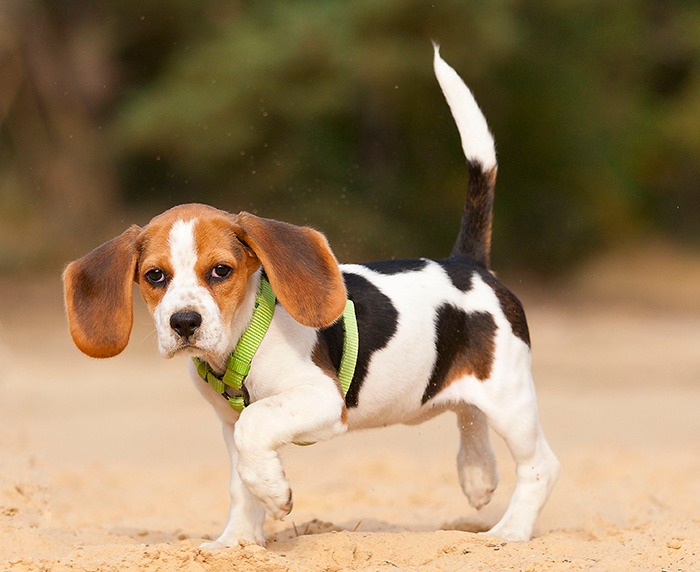
Ligaments keep the knee joint stable. When it is injured or broken, the knee will be painful and unstable. Most dogs will lift their legs and limp at this time.
Seek medical treatment in time
Only through clinical examination can we confirm whether the dog has ligament injury. Ligament rupture is most commonly repaired surgically, and can be treated with medication when the damage is minor.
Limb injury
? 1 accidental fracture
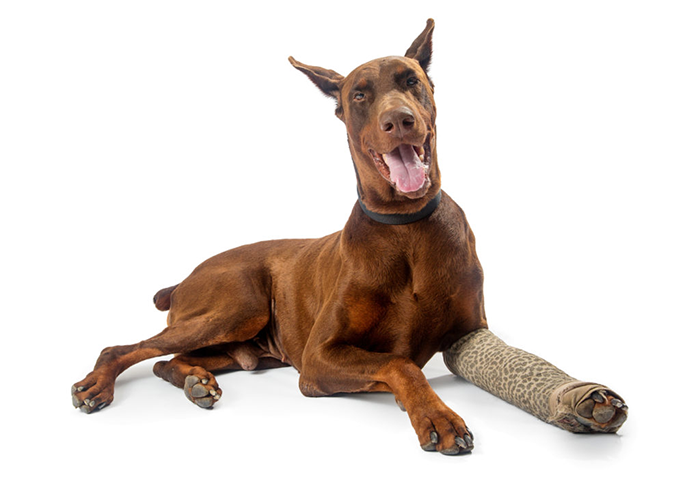
Dog fractures can affect the movement of the dog's limbs, causing the dog to limp.
Treatment method
Depending on the location and extent of the fracture, there are different treatments. One is external fixation for long bone fractures, and the other is severe cases requiring surgical implantation of metal plates and nails for dogs.
Soft tissue injury
Soft tissue damage can be caused by excessive jumping or running on hard ground.
Treatment usually includes medication and Rest. More serious cases require surgery.
Fractured spine
When one or more vertebrae of a dog's spine are broken, it can be painful or even paralyzed. Many parents only find out when their dog has a drunken gait or can't walk at all.
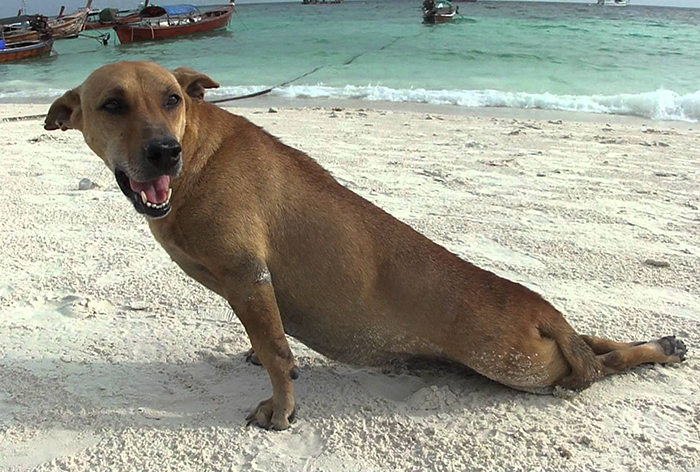
In some cases, the dog can be assisted with medication and other means, but in severe cases, surgery is required.
Oral injury
Chewing on bones and branches may damage teeth, gums, tongue and other soft tissues, and serious bone injuries may occur around the lower jaw and canine teeth.
Minor injuries (such as ulcers) in the mouth can be treated with medication. But a broken tooth and a big cut will require oral surgery.
Cuts/abrasions
Dog paws that step on sharp objects (such as nails, broken glass, sharp stones, etc.) can cause cuts/abrasions, and foreign objects can even be embedded in the pads of the paws or between the toes.
Treatment method
If the dog is already bleeding, go to the hospital to clean it thoroughly. The doctor will clean up the debris and bacteria for the dog and sew up the large wound.
The nail is broken
For most dogs, a broken toenail is normal once in a lifetime. Some toenails are broken at the waist, and some toenails are completely knocked off.
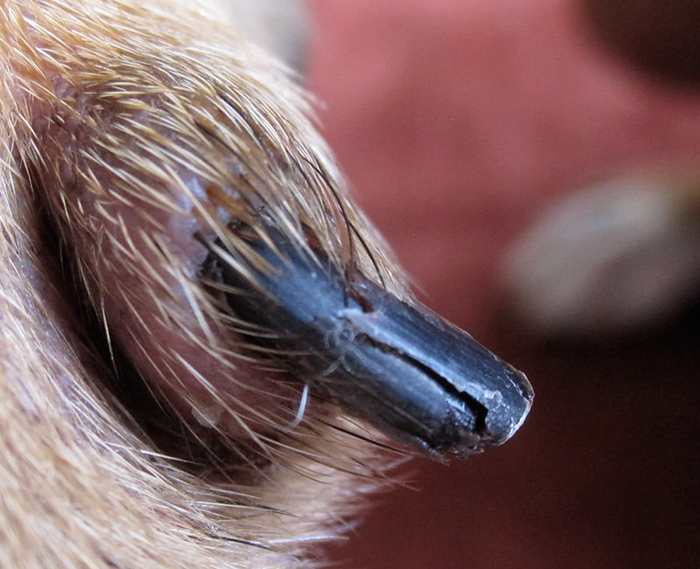
Dog nail fracture, parents need to take the dog to the hospital to deal with, to clean wound for the dog in time to prevent bacterial infection. Cutting your dog's nails
Tail damage
Dogs' tails are easily caught in doors, bitten by animals, and trampled by people. Some large dogs have large and heavy tails, which can also cause bruises or bruises when thrown on hard objects.
Depending on the severity of the tail injury, treatment can take anywhere from a few weeks to several months and may require the use of bandages, electronic collars, or even a box cage.