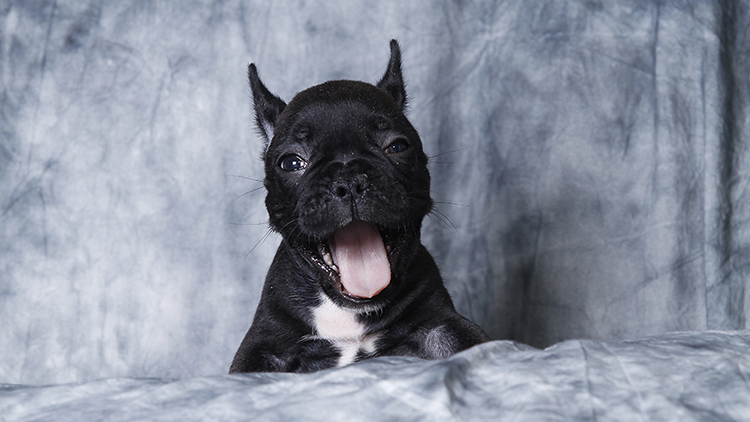
Bad breath in
What causes bad breath in dogs?
In fact, there may be many reasons for this situation, the main one is periodontal disease, which is caused by oral bacteria.
Periodontal problems
Dogs are omnivorous animals. If the dog's food is the same as that of humans, the residue of the food will easily form tartar around the dog's teeth and between the teeth. The same is true when the dog is fed wet food. So when dogs eat in disorder and their mouths are not clean, they are prone to bad breath.
1. If some dogs like to chew some rough toys or hard things, over time, their teeth will be damaged or even broken, and bacteria will accumulate on these teeth more easily, leading to bad breath.
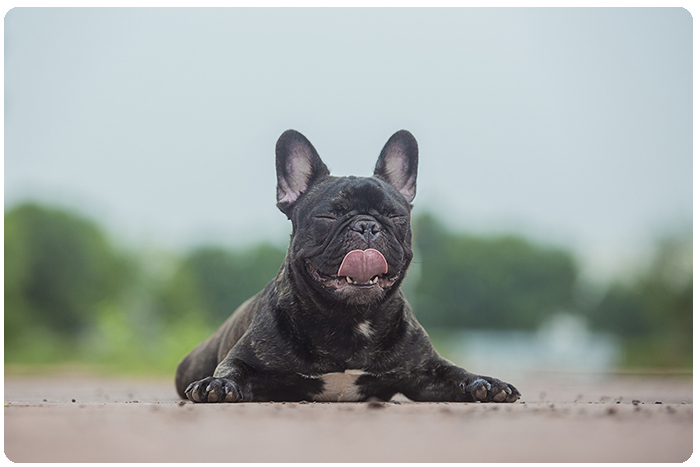
Part 2 Gastrointestinal problems
When the dog eats more food, more complex, there may be poor digestion, so that when the dog burps, the smell comes out of the dog's mouth, so it is important to pay attention to the dog's daily diet, and do not always feed the dog greasy, meat and fish food, after all, their stomach is very delicate.
Part 3 Vitamin B deficiency
If the dog's diet remains unchanged for a long time, if the intake of nutrients does not require vitamin B supplementation, it will lead to oral diseases such as halitosis and oral ulcers.
Part 4 Disturbance of Disease and Pain
In addition to the above conditions, metabolic diseases can also cause bad breath in dogs, such as diabetes. Respiratory diseases such as nasal inflammation (rhinitis) and sinus inflammation (sinusitis) can cause bad breath in dogs.
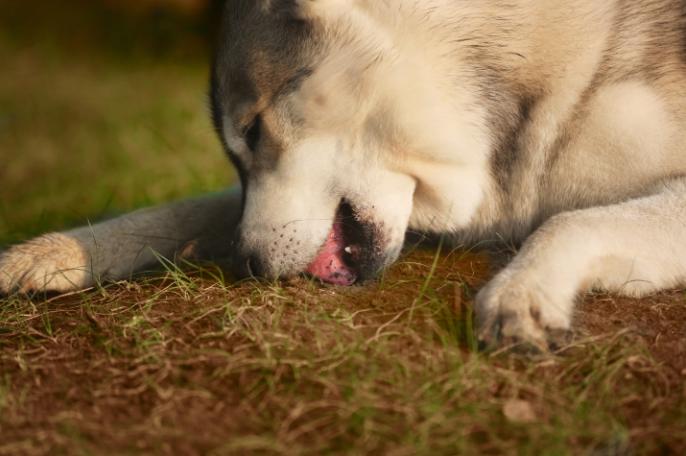
How to determine the cause of bad breath in dogs?
There are many different causes of oral problems in dogs, so when parents find that their bad breath suddenly gets worse, they need to sound the alarm.
What conditions require immediate medical attention?
1. Dogs may have serious periodontal problems if they have brown tartar on their teeth, especially if they are found to have excessive drooling, difficulty eating, and red and swollen gums.
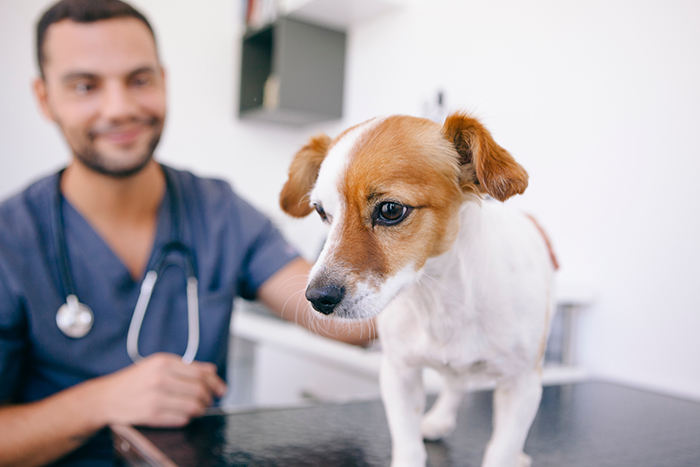
How to prevent bad breath in dogs?
If dogs have oral problems, not only affect appetite, easy to relapse, persistent, neuropathic pain … It can also cause a variety of diseases, which can not be underestimated, so in daily life, we can reduce the occurrence of bad breath in dogs through these aspects.
Good hygiene habits, usually brush your teeth frequently.
One of the direct causes of bad breath in dogs is that the tartar accumulated on the teeth of dogs is not cleaned in time in daily life. Periodontal disease is a major threat to their health, so it is very important for dogs to do a good job of daily tooth cleaning!
Can be fed with dry dog food to prevent halitosis
The dog's dry food is relatively hard and crisp, so the dog can scrape the surface of the teeth clean when biting the dry food.
Fix your dog's eating time.
Every time a dog eats, the bacteria in his mouth will be more active. If they are fed twice a day, the bacteria will only be active twice a day. Bad breath in dogs can be controlled by regular and quantitative meals.

Have regular checkups or dental cleanings
Bad breath in dogs is always complicated, and regular appointments are one of the more effective ways to detect potential health problems in dogs. If the dog's periodontal problems are more serious, it may also encounter the need for tooth cleaning.
Finally, pet love or once again suggest that parents insist on brushing their teeth for dogs, brushing their teeth is a protracted battle for the health of children! Do not delay the abnormal situation, although the hospital examination is troublesome, but can clearly understand some of the causes, and although the tooth cleaning project is larger, but can effectively control the dog's periodontal problems!
Source of information
Thank you for the professional content provided by Pet International Animal Hospital!