The risks of sterilization
1. Any operation has risks and exceptions, for example, some dogs have poor heart tolerance; Anesthesia allergy, etc.
2. After sterilization, some owners reflect that some dogs are irritable
for a period of time. 3. After sterilization, dogs eat more, leading to obesity, which leads to a series of symptoms
.
Personal experience
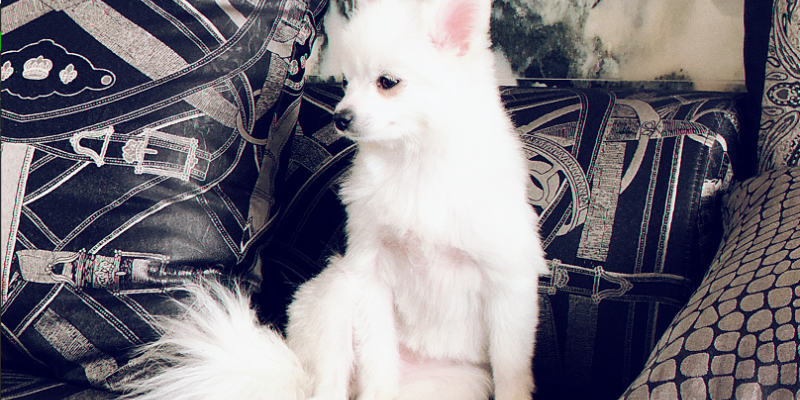
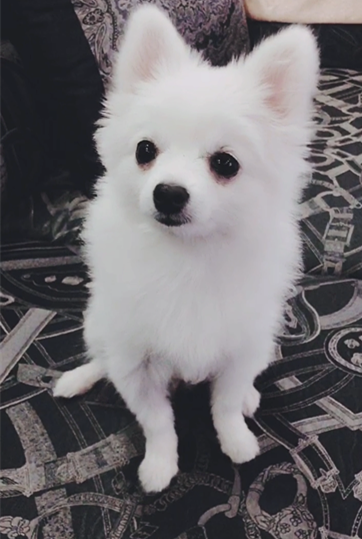
My little flower is a 7-month-old Pomeranian bitch, and I chose to neuter her. Before the
operation, I found a lot of books and listened to the opinions of many shoveling officials and doctors. Everyone basically supported and approved the sterilization operation.
For two reasons
, first, I do not intend to let the dog breed the next generation, for the sake of prolonging the dog's life;
The second is the reason of breeding. I love dogs and like to hold them on the sofa or bed. Therefore, if the bitch is in estrus, it may be a problem for me, because you can't restrict the dog's activities. Blood dripping everywhere may be a problem for most owners.
Preoperative preparation
It is also important to choose a good hospital
for pets, especially for surgery, which requires a high level of experience and level of doctors. It is very important to choose hospitals and doctors with surgical qualifications! Before
surgery, especially abdominal surgery, do not drink or eat for eight hours before surgery.
Xiaohua had an operation at 9 o'clock on a Saturday morning, but it was Xiaohua's breakfast time at 7 o'clock in the morning. By 8 o'clock or so, Xiaohua had already shown a hungry reaction. I was also worried that his hunger would affect the operation, so I told the doctor about it, and the doctor said that he could eat less blistered dog food.
Therefore, we also remind you to pay attention to the reasonable arrangement of the dog's operation time and the meal time of the night before the operation.
The cost of Xiaohua's operation was originally planned to be around 1300, including the necessary preoperative physical examination. The preoperative physical examination must be done. Simply speaking, the pet's simple body temperature rise before the operation will affect the operation.
In addition, in terms of anesthesia, we try to choose respiratory anesthesia. Respiratory anesthesia is more expensive than injection anesthesia, but the risk is smaller. Once the pet is allergic to injection anesthesia, it may cause irreparable damage. However, if there are symptoms of discomfort during respiratory anesthesia, the operation can be stopped immediately.
Postoperative preparation
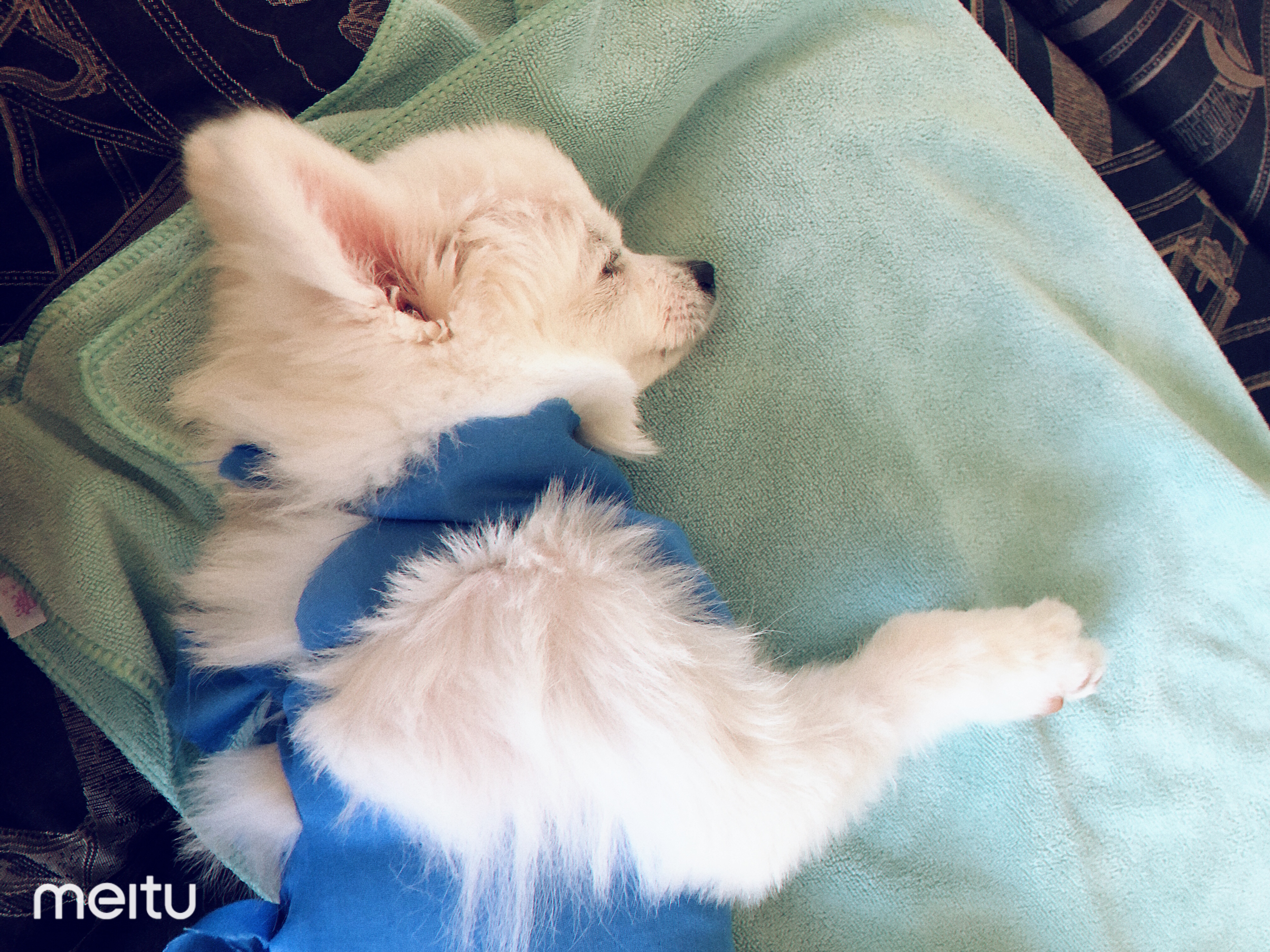
While waiting for Xiaohua to do the preoperative examination, I have prepared a small blanket and paper towels for easy use after the operation. Xiaohua's operation lasted for an hour. Fortunately, the operation was successful because Xiaohua was only seven months old and her body organs were small, so the doctor chose to sew five stitches with thin thread. After coming out
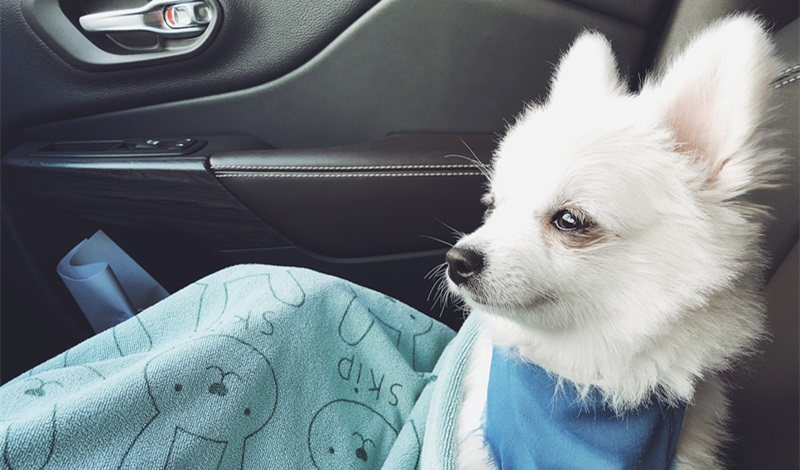
of the operating room, Xiaohua woke up quickly, but her mouth was drooling a lot. I wrapped her in a prepared blanket to avoid the wind, and then kept wiping her saliva with a tissue. After the
operation, do not leave in a hurry, observe in the hospital for 1-2 hours, wait for the dog to wake up before leaving.
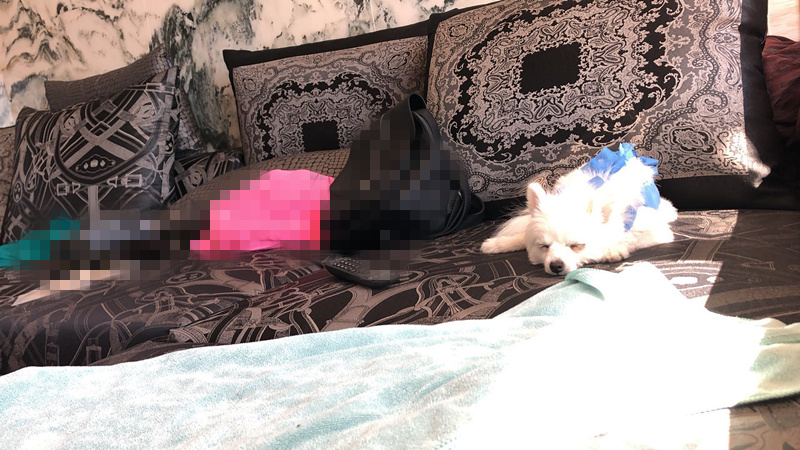
After the operation, in order to avoid the dog licking the incision, the dog will be given such surgical clothes, we must check in advance whether there is a urine outlet after wearing the surgical clothes, so as not to wet the surgical clothes and infect the wound when the dog urinates.
In order to avoid the dog's difficulty in eating and loss of appetite after surgery, I bought a Vick nutritional cream for Xiaohua, because if the dog's loss of appetite after surgery, it is likely to cause dehydration, therefore, blister dog food, nutritional cream and so on, must be carefully prepared.
After the operation, the dog must be avoided licking the incision. The time for removing the stitches is 7-10 days. After the stitches are removed, the surgical clothes can be taken off. Change the medicine for the dog every three days, and ask the doctor to observe the recovery of the incision.
Don't let your dog do strenuous exercise until the stitches are removed. In addition, within one month of the operation, try not to take a bath to avoid wound infection. The owner can comb the dog's hair to avoid itching.
Floret's operation is very successful, the recovery is also good, but it really can eat a lot than before, so everyone is the same, to control the dog's diet after surgery, to avoid the dog getting fat!
The above is a personal experience, for reference only ~