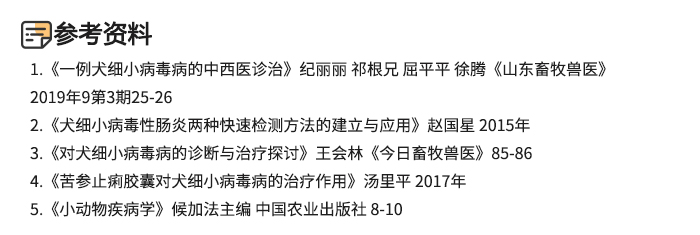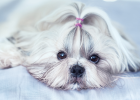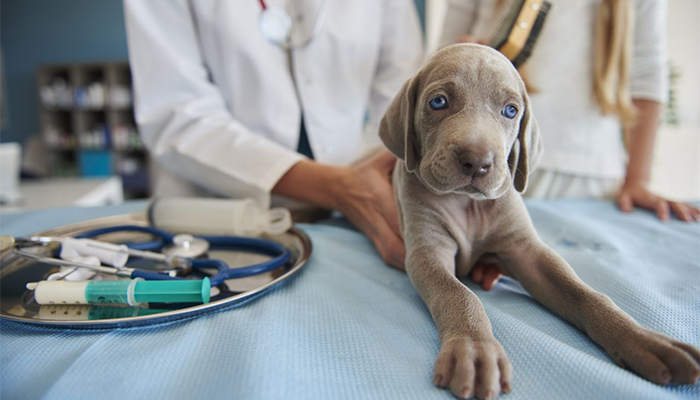
Many pet owners have heard of parvovirus, which is the second most infectious disease in dogs. In some places, the saying is also called "turning over the intestines". Puppies are very susceptible. Many pet owners even think that dogs are born with this disease. Let's study together to protect the health of children.
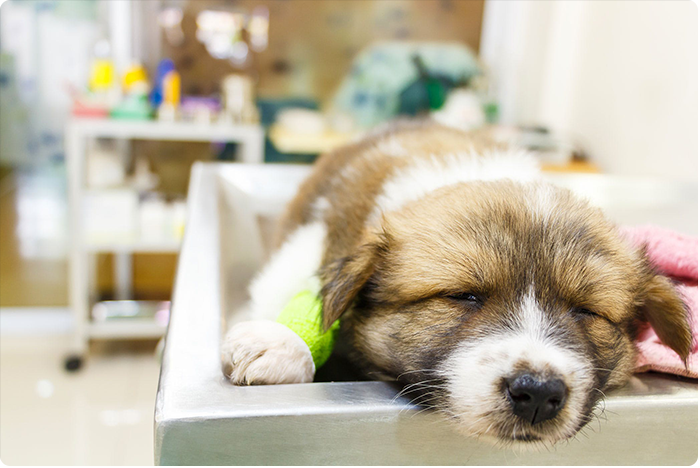
Characteristic of canine parvovirus infection
1 Viral characteristics
Because canine parvovirus is not sensitive to heat, it can survive for 2 weeks at 37 ℃, and only at 80 ℃ can its survival time be reduced to 15 minutes. What is more frightening is that canine parvovirus can survive in feces for years to months. Parvovirus has strong resistance to many commonly used disinfectants, such as ether, chloroform and alcohols.
Small infectious diseases can morbidity all the year round, mostly in winter and spring, and can easily spread infection.
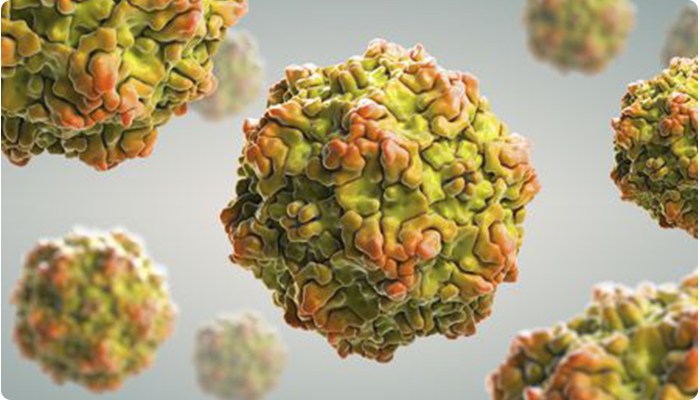
Characteristics of infection
Puppies are susceptible to infection: Canine parvovirus is highly infectious, especially when the puppy is not vaccinated, the mortality rate after infection is higher, second only to canine distemper. Dogs under 6 months of age were the most susceptible, accounting for up to 75% of the total number of CPV-infected dogs.
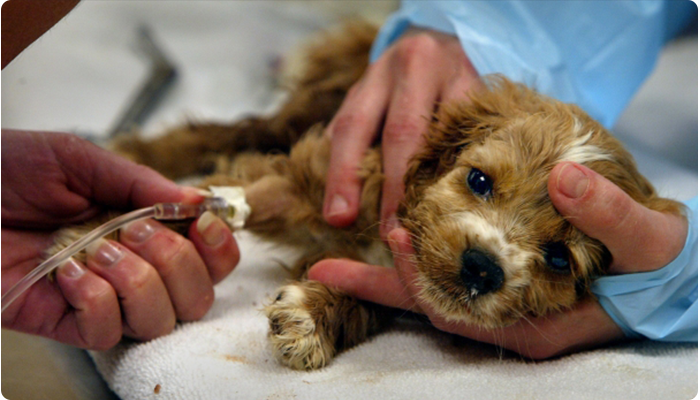
Adult dogs can also be infected: dogs are not fully immunized for the first time, or have failed vaccines, are not fully immunized, do not produce enough antibodies, and may be harmed by canine parvovirus even if they are adults, but their symptoms are not obvious and the mortality rate is relatively low.
3. Transmission route
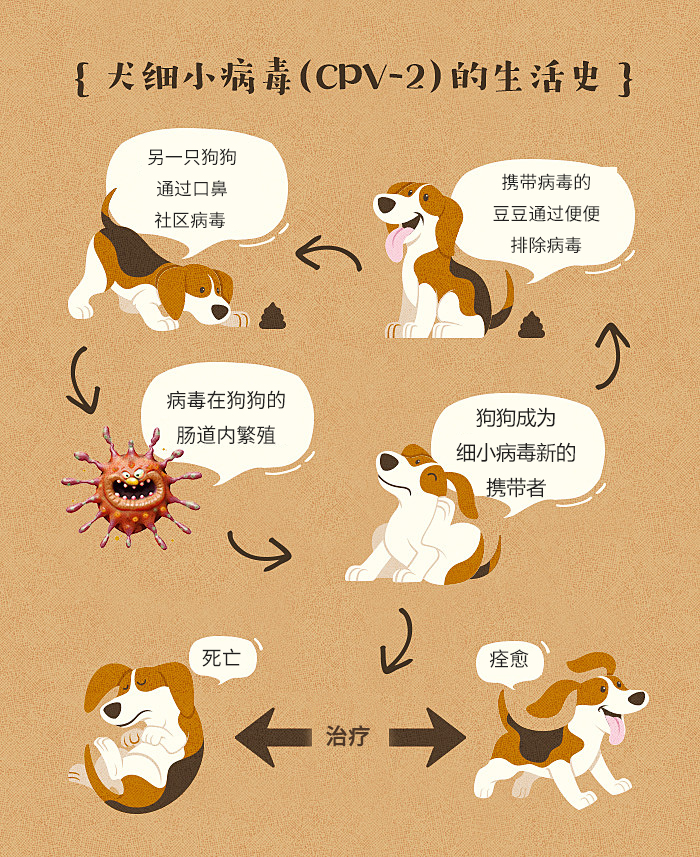
Healthy dog contact with sick dog: because parvovirus exists in sick dog's vomit, saliva and feces, other healthy dogs are easily infected after dropping of contact, and pet owners are exposed to dogs after carrying home.
Infection and transmission of
Comprehensive prevention of parvovirus
Disinfect daily
Because parvovirus is sensitive to some disinfectants, the use of oxidants, sodium hypochlorite, ultraviolet rays and formaldehyde can quickly inactivate canine parvovirus, pet disinfectant is also a good choice. Carry out thorough disinfection before picking up the dog, and pay attention to disinfection management in the later period.
Note: If a dog in your home has been infected with parvovirus before, wait at least 3-6 months before adopting a new dog. This is because parvovirus can survive in the environment for more than 3-6 months.
The puppy is not fully immunized, and the basic physical examination should be done.
In most cases, the shoveling officer is not clear about the dog's physical condition before returning home. Only when the dog is confirmed to be healthy after physical examination, can it be safely raised. Especially for dogs that have just been bought, and dogs that have been adopted or otherwise received. Do not finish the vaccination and avoid frequent outings.
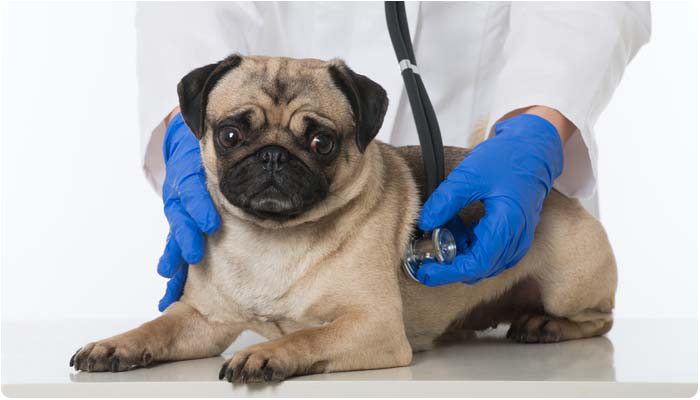
Note: The incubation period of canine parvovirus is 7-14 days. Dogs in the incubation period of the disease cannot detect the virus. It is recommended that the shoveling officer take the dog for reexamination after 1-2 weeks, so as to avoid the parvovirus muddling through and committing crimes in the dog's body.
Vaccination to complete the first immunization
Vaccination is very important for dogs to prevent parvovirus disease. At the same time, it should be noted that deworming for dogs before vaccination can better play the vaccine effect. Internal deworming should be done one week before vaccination.
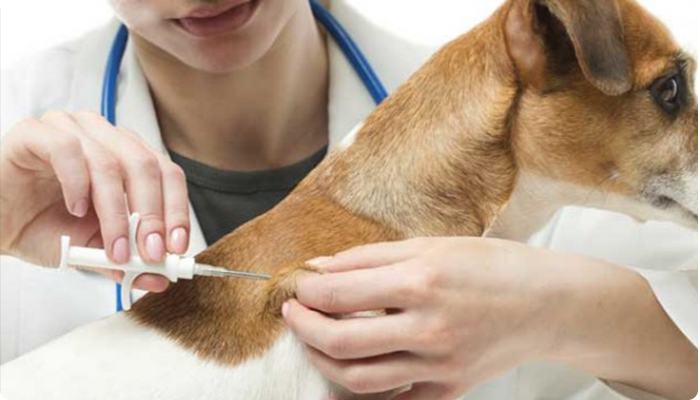
Note: Vaccination is not a once-and-for-all thing to protect dogs. After the first three doses of virus vaccine are injected, regular booster immunization should be carried out every year.
Protect yourself when you go out.
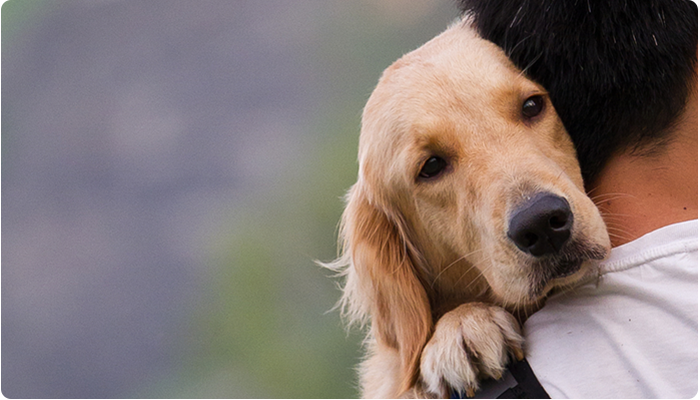
What if I have to go out? For example, when you go out for vaccination, you can let the shoveling officer hug you, with the help of portable bags, air boxes and so on. Try not to expose dogs to the outside environment, after all, bacteria and viruses are everywhere.
Seek medical advice early in case of any abnormality
At the beginning of parvovirus, the dog's body temperature rises and vomiting or diarrhea begins. If the shoveling officer finds that the dog is lying wilting and has no interest in food or anything else, he should be vigilant.
Diarrhea (ketchup-like stool) is a small characteristic symptom, with a fishy odor and a strong pungent smell. Vomiting is another common phenomenon, and the number of times a dog vomits increases with the disease, so dehydration is a risk that must be considered.
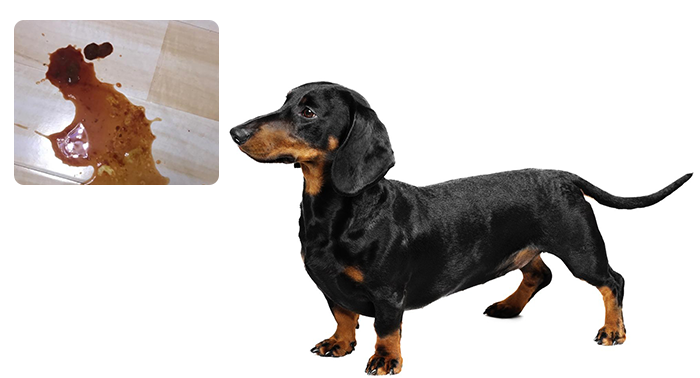
Small dogs in the middle and late stages of severe dehydration, decreased skin elasticity, often limb paralysis, unable to stand, the results of the examination found that the dog's body electrolyte disorders, severe acidosis, elevated white blood cells and so on.
Self-examination at home can be carried out by parvovirus test paper, anorectal dropping and stool examination.
Small treatment plan
Parvovirus treatment generally requires fasting, drinking and infusion, preferably in the hospital. Sometimes dogs do not die of parvovirus, but of dehydration and electrolyte disorders. Fasting and water deprivation is to reduce the burden on the dog's stomach and reduce diarrhea symptoms. If it is impossible to rehydrate by hanging water, some medicines can be taken orally.
antiviral drug
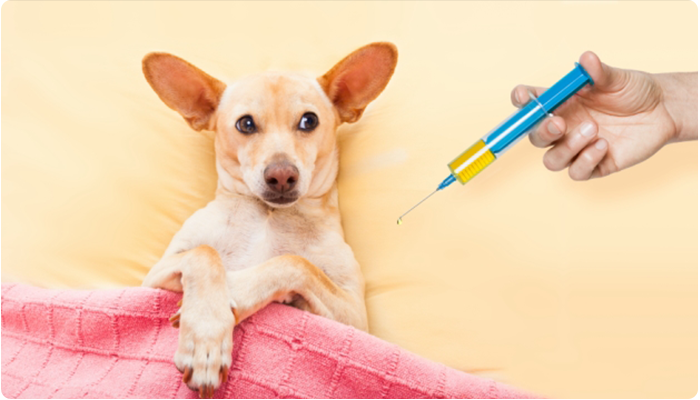
Injections of canine parvovirus monoclonal antibodies (specific against the virus), interferon-alpha (inhibiting virus synthesis), and globulin (immune protein killing the virus) are also key drugs against the virus.
Prevent secondary infection of bacteria
During illness, the dog's resistance decreases and harmful bacteria grow and reproduce rapidly. In order to prevent secondary bacterial infection, it can be used with antibiotics, such as cephalosporins and amoxicillin for pets.
Timely fluid replacement
It is very important to supplement glucose saline, electrolytes, vitamin B/C, ATP, etc. To help infected dogs rehydrate, maintain the basic needs of the body, correct dehydration and electrolyte disorders, and restore blood acid-base balance.
Traditional Chinese veterinary medicine combined with treatment
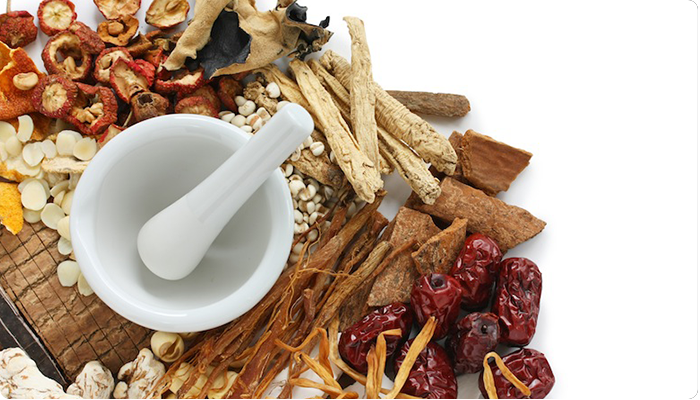
Western medicine to control the early symptoms of parvovirus, biological agents to quickly control the rapid spread of the virus, late veterinary medicine conditioning is also the key to cure the disease, such as Baiwu Decoction in clinical application. The combination of Chinese and Western medicine can quickly control intestinal bleeding and vomiting, shorten the cure time, and effectively inhibit parvovirus.
Careful nursing to enhance immunity
Convalescent dogs with appetite can be fed with nutritional cream, minced meat, canned food and other digestible food to supplement nutrition to help recovery. Exercise moderately in the later stage of recovery to maintain vitality. There is no specific drug treatment