
The dog's health is often threatened by various infectious diseases, especially the puppy stage is the most vulnerable to infection, and even the dog's life will be taken away when the disease is serious. If you suspect that the dog is infected with infectious diseases, you must go to the hospital for testing as soon as possible, early detection and early treatment.

Canine Distemper (CDV)
It is one of the most common infectious diseases in dogs on the week. It is highly contagious and has an incubation period of 3-9 days. The main damage is that the vaccine has not been finished, or the vaccine has not been finished, so besides the puppy period, it is easy to be infected, and the adult dog vaccine is also easy to be infected.
1 Symptoms
2 Diagnosis and treatment
Canine distemper is generally diagnosed by test paper, combined with blood routine, X-ray and other inspection results.
Small Canine (CPV)
Canine parvovirus caused by parvovirus, highly contagious, especially high mortality rate of puppies. The disease can occur all the year round, with multiple occurrences in winter and spring. Dogs under 6 months of age were the most susceptible, accounting for 75% of the total number of infected dogs.
1 Symptom Presentation
In the early stages, there may be no obvious symptoms, though mild loss of appetite is possible. In later stages, diarrhea, vomiting, high fever, bloody stools, and dehydration may occur. Typical symptoms include watery, soy-sauce–colored bloody stools with a strong, fishy odor.
2 Diagnosis and Treatment
Parvovirus is diagnosed by taking rectal stool test paper and combining blood routine tests.

Canine coronary (CCV)
Canine coronary is caused by coronavirus. The virus can be transmitted through the respiratory tract, digestive tract, feces and pollutants. It can occur all year round, and it occurs frequently in winter. The disease is often mixed with canine parvovirus, rotavirus and other gastrointestinal diseases, which will increase the difficulty of treatment. If it is a simple coronavirus infection, the cure rate is relatively high.
1 Symptom Presentation
No obvious symptoms at the beginning, the dog may have a slight loss of appetite, diarrhea, vomiting, pull water, dehydration and so on.
2 Examination, diagnosis and treatment
Canine coronavirus was diagnosed by taking rectal stool test paper and combining blood routine examination results.
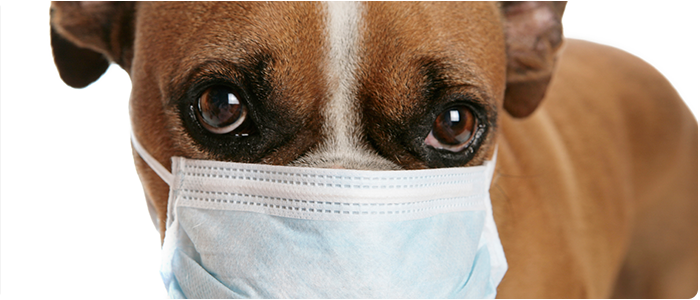
dog nest cough
Canine nest cough, also known as trachea and bronchitis, may be caused by parainfluenza virus (CPIV), adenoidin (CAV I, II), canine distemper virus (CD), etc. The most common pathogen is canine adenovirus type II highly infectious, which generally shows cough symptoms in large areas of the same litter dogs.
1 Symptom Presentation
The puppy has a sudden cough, accompanied by nausea and vomiting. In addition, the dog's appetite, spirit, and body temperature are normal without obvious changes. The dog's nest cough cycle is longer than that of the common cold, but there is no obvious sneezing and runny nose phenomenon. Some dogs cough like "cough and crack".
2 Diagnosis and Treatment
Through the dog's symptoms, blood test comprehensive judgment, if the examination shows that the blood is infected by bacteria, can be diagnosed as dog nest cough.
The treatment is mainly based on atomization, and antitussive drugs have only a slight antitussive effect on nest cough. Such as Kechuanling, do not use a lot of cough medicine, is not conducive to sputum discharge. At the same time to supplement nutrition, enhance resistance, with the symptoms of great hope for cure.
Prevention of Infectious Diseases in Dogs
1 Vaccine Prevention
These common infectious diseases in dogs are mainly prevented by immunization. Dogs can choose Pfizer and Interway brands when their vaccines are mature. As long as the vaccines are standardized and regular immunization is done every year, dogs can avoid the danger of some infectious diseases.
2. Daily Prevention
(1) do not free-range, go out to walk the dog to avoid contact with strange dogs, go out to foster care, bathing and beauty should also choose regular places.