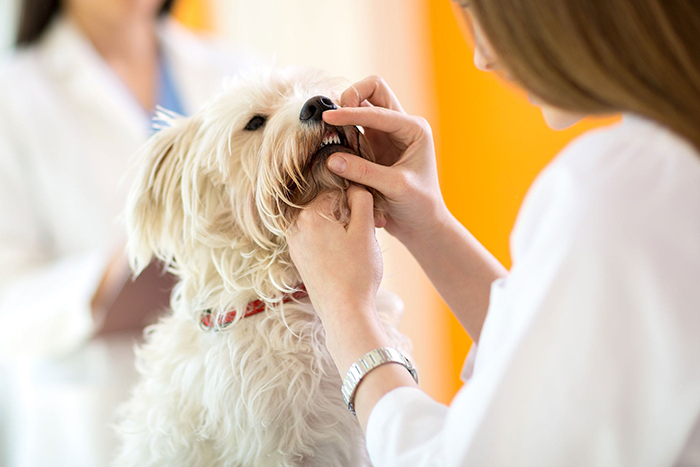
Dogs are living longer than they used to, thanks to science, but we're also finding health problems that we didn't notice before, such as oral problems in dogs: at least 8 out of 10 dogs suffer from oral problems!
Common Oral Diseases in Dogs
Common dog oral diseases can be divided into the following three types according to their severity and manifestations:
1 Plaque
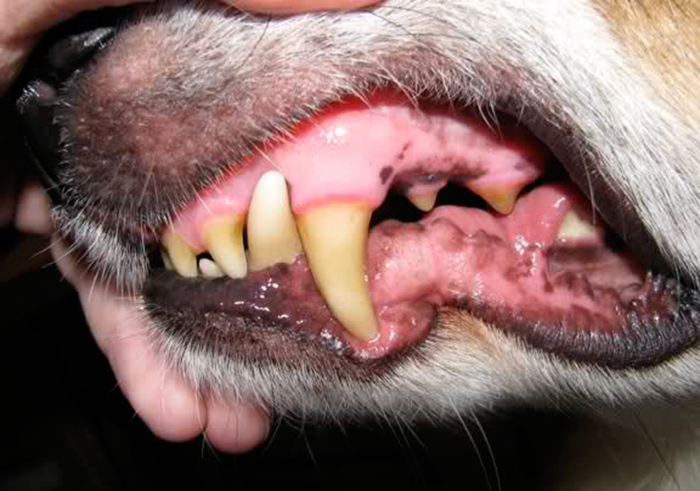
If a parent has never taken care of the dog's teeth, the dog's teeth are likely to have plaque caused by food debris and bacteria.
Dental calculus
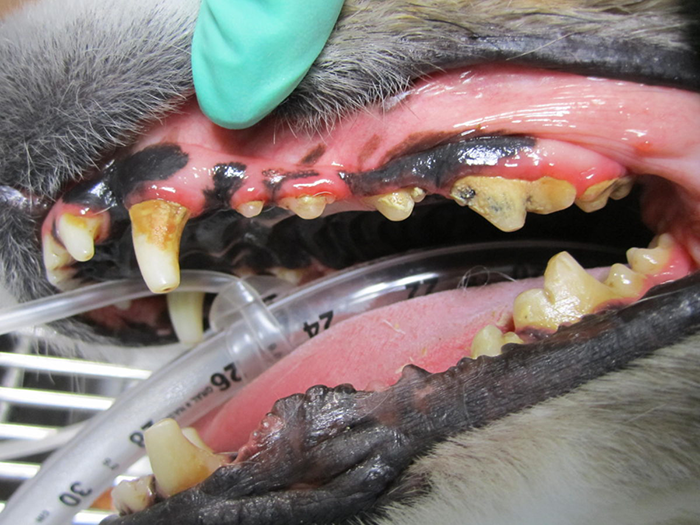
Plaque combines with minerals in the dog's saliva to form dental calculus, which irritates the dog's gums, causes gingivitis and leads to bad breath.
Periodontal disease
Uncleared dental calculus can provide space for bacteria to multiply and cause damage to dog teeth, collectively known as periodontal disease.
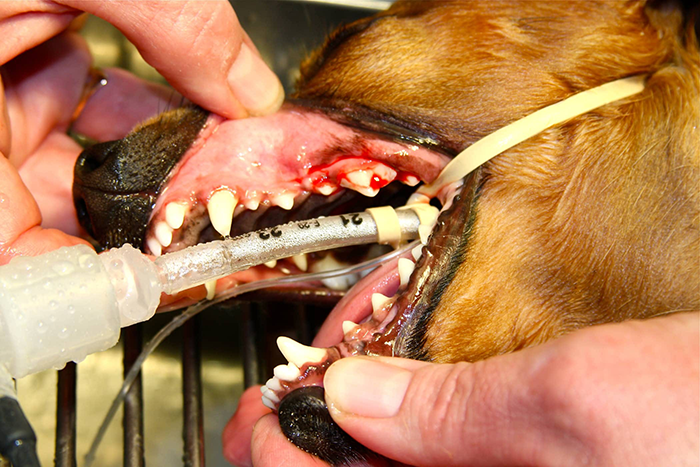
Periodontal disease can cause your dog's teeth to become loose, abscessed, infected, and fall out. As the bacteria continue to increase, they may enter the blood circulation system, which may lead to endocarditis, liver and kidney diseases in dogs.
To solve oral problems, we should start from many aspects.
Serious dental problems need to be solved in the hospital, in addition, parents'careful daily care of dogs is also very important:
Dental calculus, the need for professional tooth cleaning solution!
Dental plaque can be removed in daily brushing, but dental calculus can not. If the dog has dental calculus, he must go to the hospital to clean his teeth.
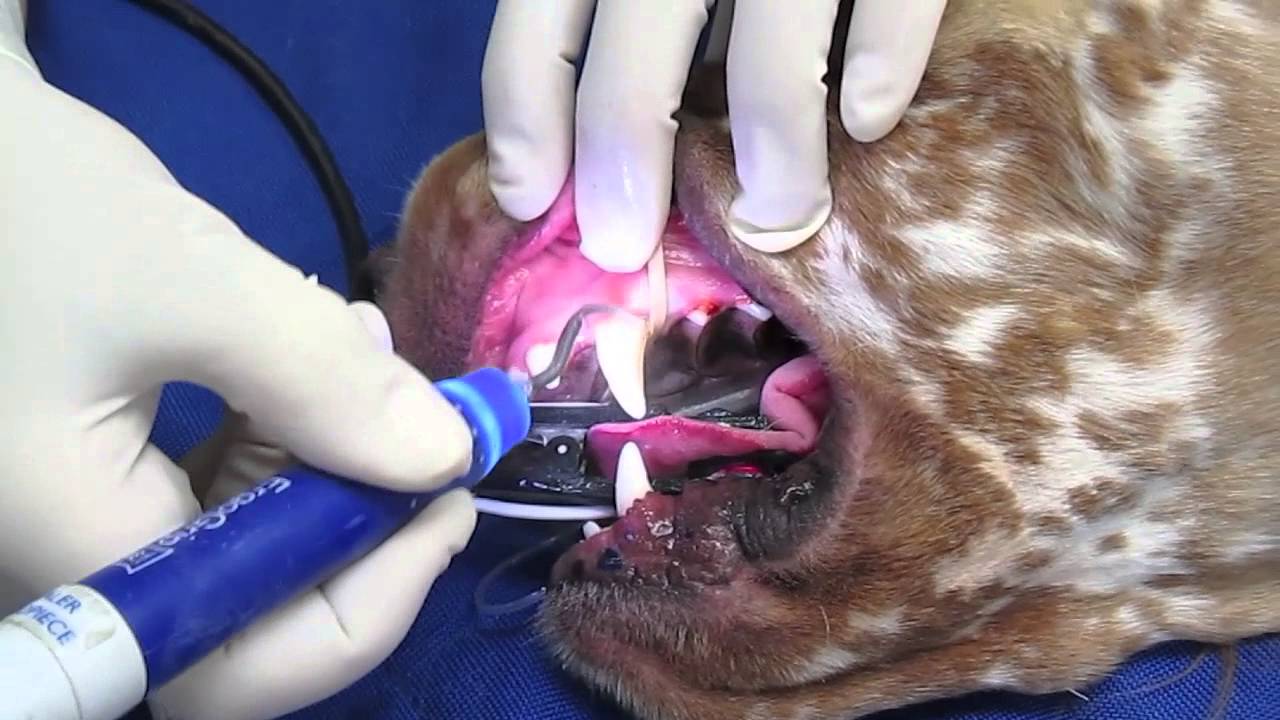
Experts warn that all stones are removed from the gums and can only be carried out under anesthesia.
2 Daily home care
Generally speaking, daily care includes routine oral examination and brushing:
If parents observe that the dog has bad breath, wailing, increased saliva secretion, red and swollen gums or bleeding, dental calculus, loose or falling teeth, etc., it indicates that the dog has oral problems.
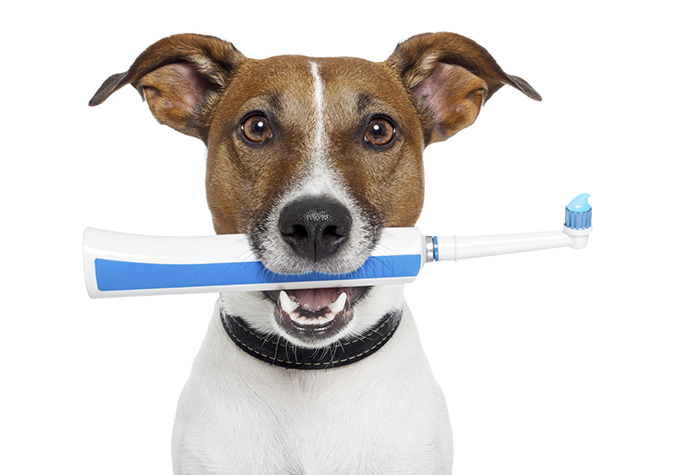
Daily brushing plays a very important role in preventing dogs from oral and other diseases.
To combat oral problems, "diet therapy" helps!
In addition to brushing teeth and observing signs of oral problems, small changes in daily life are also very important to maintain the dog's oral health.
1. Choose dog food with dry and coarse taste
Compared with canned and wet food, dry and rough dog food can not only prevent the formation of plaque and calculus, but also strengthen gums.
Molars
Parents can give their dogs a hard nut to crack, which can effectively scrape the dirt and plaque on their teeth.
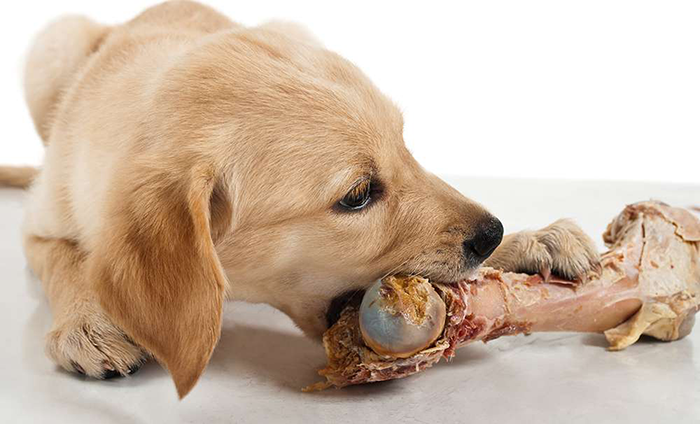
Experts warn: Do not give the dog too hard bones, such as steak, it is easy to be rejected by the dog, and even damage the dog's teeth.
3 Teeth cleaning stick/Teeth cleaning toy
Parents are advised to choose specially designed products such as chew-resistant rubber balls and synthetic bones to promote the oral health of dogs.
Another
4 Harder snacks
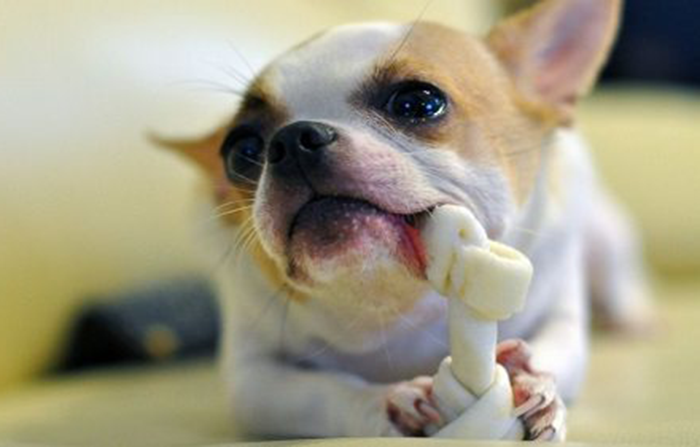
Feeding your dog more hard snacks, such as hard biscuits, can help clean your dog's teeth.