
Cataract is one of the most common causes of blindness in children, but many parents are still aware of it. Li Jing, an ophthalmologist, shares with you that caring for children's eye health can not be ignored.

What is cataract?
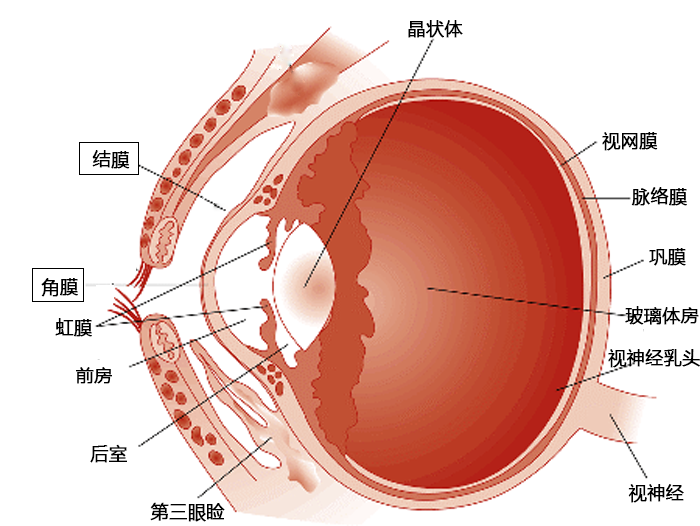
The focusing function of the eyes of dogs and cats depends mainly on the lens. The normal lens is a transparent medium suspended behind the pupil by the zonule of the lens. The pupil controls the amount of light entering the eye by dilating and contracting the pupil, and then focuses the light through the lens to the retina to form an image, like a movie projector. The ability of the lens to adjust the focal length is more focused. The adjustment ability of the dog lens is only one third of that of human beings, and the adjustment ability of cats can reach half of that of human beings (dogs and cats have 1000 times more sensitive sense of smell than human beings, and the sense of smell is the most important way for dogs and cats to understand the world).
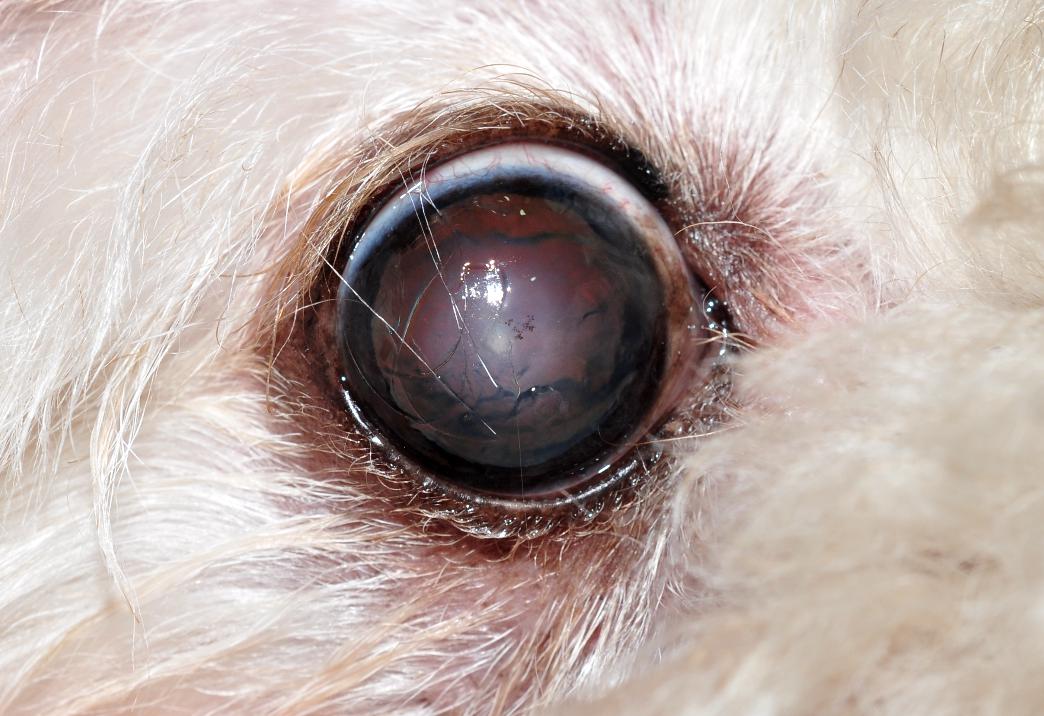
Distinguishing cataract from nuclear sclerosis of lens
The eye lens of dogs and cats is made up of fibrous tissue. As dogs and cats age, the fibers become more numerous, larger, and denser. The lens becomes denser and has a cloudy appearance. This is called nuclear sclerosis. Although it looks cloudy, the lens remains transparent and the animal can still see it. This is not a cataract.
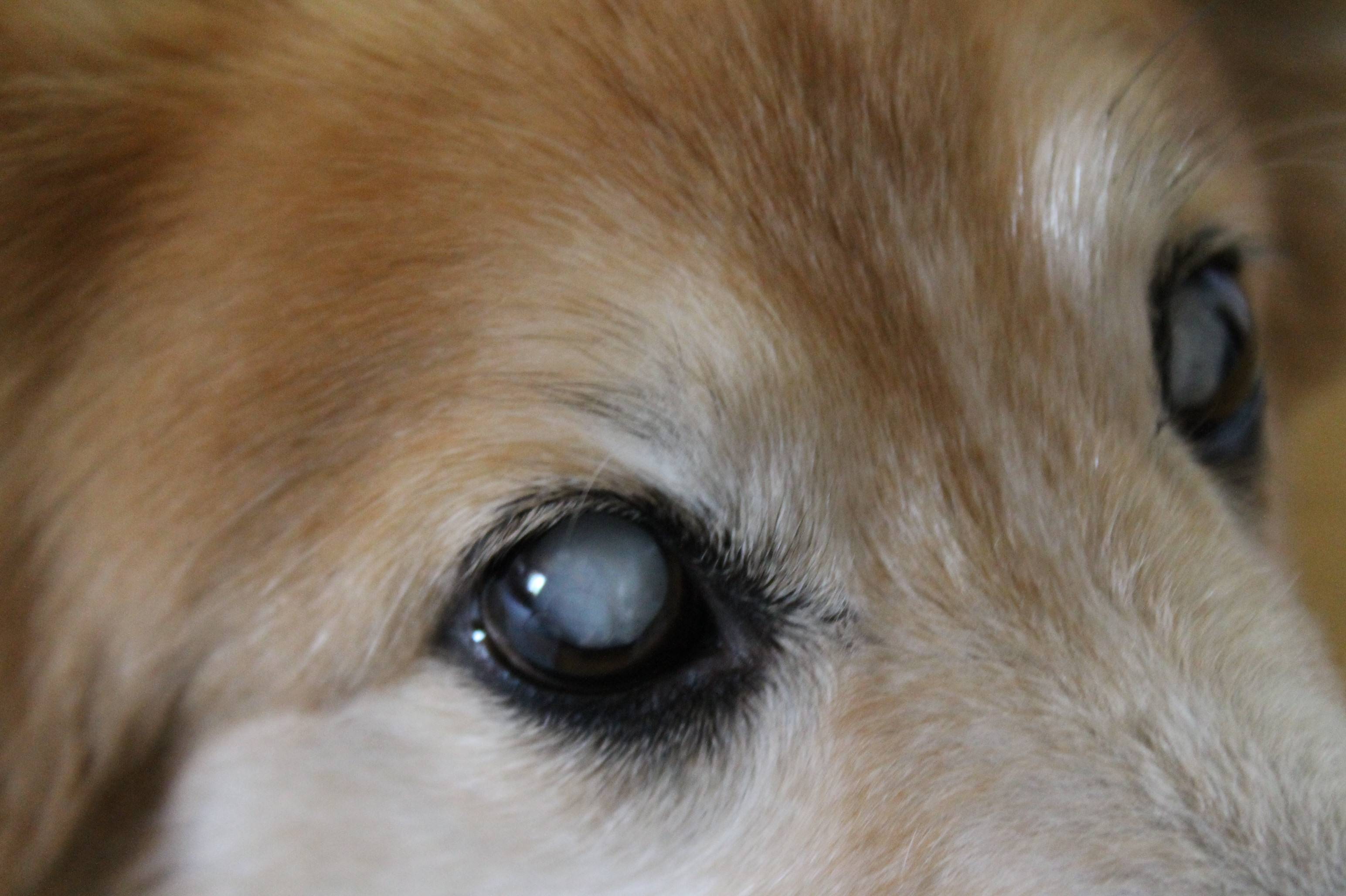
(Pictures from the Internet)
These causes can cause cataracts.
Cataracts can be congenital (born with them) or age-related; genetic (the most common cause); trauma-related; diet-related (some kittens are associated with goat milk powder); shock-related; and toxic-related. Animals with cataracts are blind because the cataracts block the light.
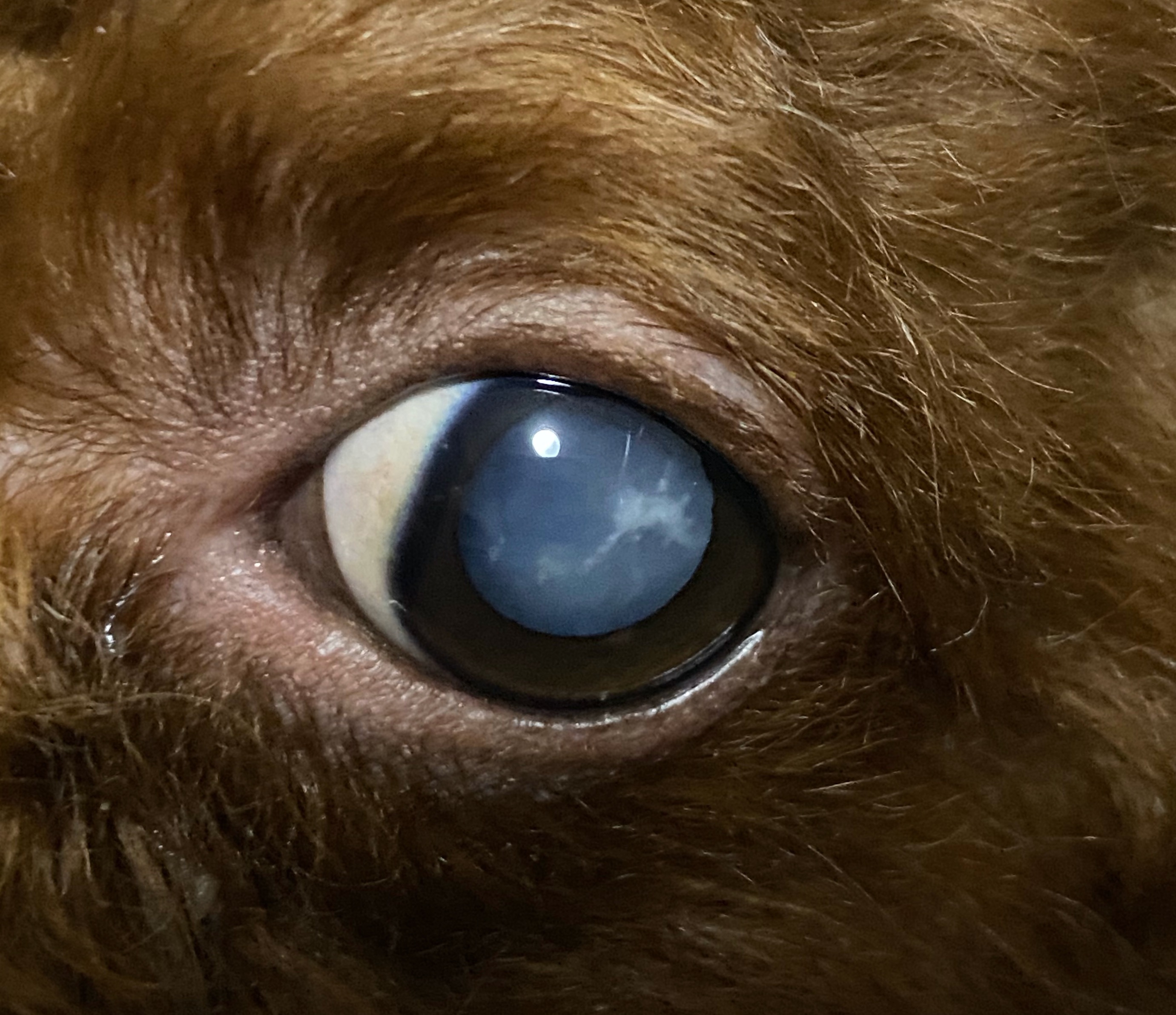
Can diabetes cause cataracts?
Diabetes is one of the many causes of cataract formation.
Cataract treatment seize the opportunity
Cataract surgery is performed with intraocular lens implantation. If cataract is diagnosed and the course of the disease develops rapidly, it is recommended that surgery be performed before the cataract is fully mature, so that postoperative complications will be reduced.