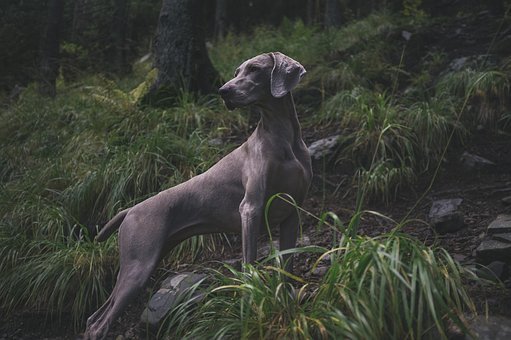
Large dogs are prone to joint diseases, such as hip dysplasia, because of their slow development, great changes in body shape, vigorous energy and large amount of exercise. So how should shoveling officials maintain the joints of these "heavyweight" players in daily life? Let Dr. E answer your questions!

Causes of Joint Problems in Large Dogs
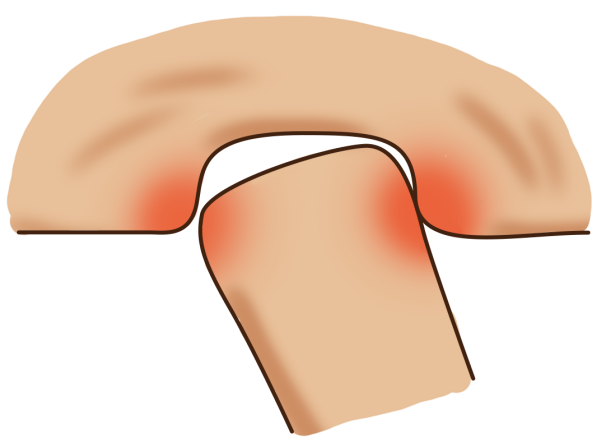
1. Genetic factors
The main cause of joint disease in dogs is genetic problems. At present, due to the lack of relevant knowledge, pet owners blindly breed breeds that may have genetic defects, which makes the incidence of bone and joint diseases higher and higher.
2. Improper feeding
Many large dog breeders give their dogs a lot of high-calorie food in order to make them bigger, which leads to excessive weight gain, excessive pressure on bones and joints, and affects bone development.

3. Blind supplementation of nutrients
For dogs that tend to be stunted, too much calcium supplementation can aggravate the condition. Excessive vitamin supplementation, especially vitamin D, will affect the metabolism of calcium and phosphorus, and increase the morbidity rate of osteomalacia and rickets.
4. Overload exercise
Although large dogs exercise much more than small dogs, long-term overloaded exercise can aggravate the wear and tear of dog joints, leading to arthritis.
Maintenance of joints, starting from small things
1. Age-appropriate sterilization
Dogs prone to genetic diseases are neutered or castrated to prevent the continuation of bad genes.
2. Scientific Feeding & Weight Control
When a large dog is young, choose a high-quality dog food to meet the nutritional needs of the dog's growth. Regular and quantitative feeding is recommended, which can not only develop good eating habits for dogs, but also effectively control their weight.

3. Feeding nutrients correctly
Stick to joint nutrition with glucosamine and chondroitin. Glucosamine can increase the secretion of synovial fluid in joints, chondroitin can help repair worn articular cartilage, and for dogs with morbidity, it can delay the development of the disease and reduce the pain of dogs.
4. Moderate exercise
Dogs with joint diseases should avoid running, jumping and other intense sports, and choose short walks or swimming is more suitable. In addition, dogs should avoid running, lying down or going up and down stairs on smooth and hard ground.

5. Regular physical examination
Take dogs to the pet hospital every year for physical examination, master their physical condition, and achieve early detection and early treatment.