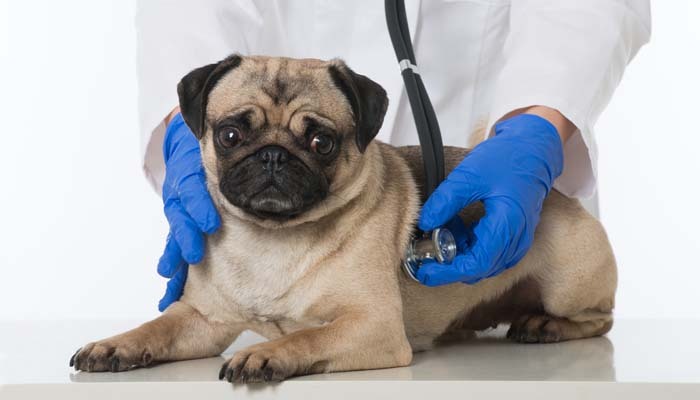
Canine distemper, small, coronavirus dog three infectious diseases, to countless children caused fatal harm. Now let's take a look at one of the three major infectious diseases-parvovirus (CPV).
Understanding Canine Parvovirus
Canine parvovirus (CPV) is an acute infectious disease caused by canine parvovirus infection. There are two clinical phenotypes, hemorrhagic enteritis type is characterized by severe vomiting, hemorrhagic enteritis and significant reduction of white blood cells, and myocarditis type is characterized by sudden death. Regardless of the type of clinical manifestations, they are characterized by high morbidity, high mortality and strong infectivity.
The incidence rate of small dogs is very high in puppies aged 2-5 months. The incubation period is 7-14 days. It is common in winter and spring. It is mainly spread by food, drinking water, contact with feces and vomit. Contact with secretions and excretions of sick dogs is the most common mode of infection. The susceptible group is newly purchased puppies. These dogs are usually not vaccinated, and their resistance is low and they are easy to be infected, the mortality rate of untreated disease after infection can reach 91%.
Symptoms of Minor Infections in Dogs
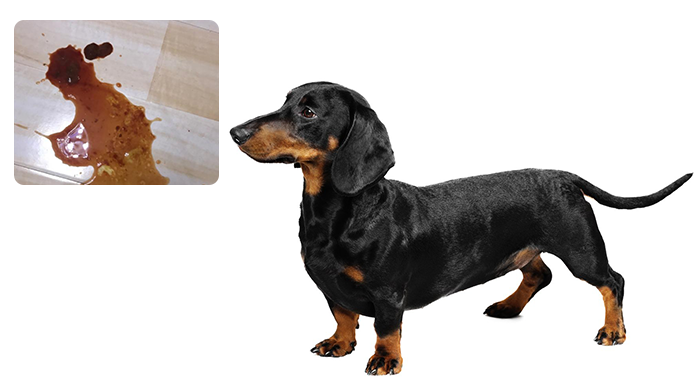
There are no obvious symptoms in the initial stage, there may be slight loss of appetite, and diarrhea, vomiting, high fever, blood pulling, dehydration, etc. may occur in the later stage. Typical symptoms are soy sauce-colored bloody stool with a strong fishy odor.
Examination, diagnosis and treatment
To confirm the infection of parvovirus, it is necessary to confirm the diagnosis according to the clinical symptoms of dogs, as well as the results of tests such as test strips and blood routine.
Treatment plan
During the treatment of parvovirus generally need fasting water, through infusion injection treatment, reduce the burden of dog stomach and diarrhea symptoms. Sometimes dogs don't die from parvovirus, but from dehydration and electrolyte disorders.
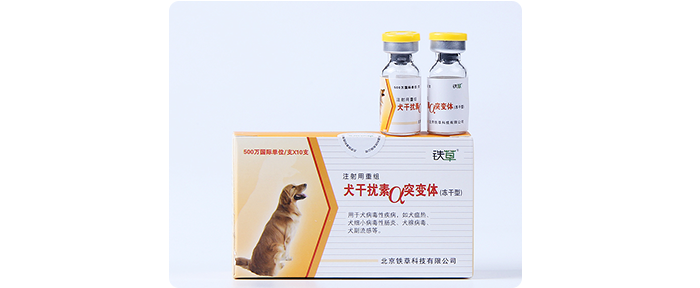
Prevention, small and good vaccine
Common Questions
Is the cure rate of small dogs high?
The cure rate of small dogs is related to the incidence, age, nutritional level, immune level, breed and so on. The survival rate of early diagnosis and timely treatment can reach 80-95%. If it is less than 5 months old, dogs that have not been vaccinated can hardly survive without treatment. The smaller the body size, the more difficult it is to treat, and the more likely it is to die of dehydration. If during treatment can not rehydration (oral, hanging water) cure rate is not big. If the dog has been unable to stand, fecal incontinence has been threatened with death.
How long can you see the effect of dog treatment?
A complete cure takes 7-14 days. Most of the treatment takes 7 days to greatly improve the condition. Generally, the effect can be seen in 3-5 days. For example, the condition is stable and no longer deteriorates, indicating that there is hope for a cure. If the symptoms continue to worsen after 5-6 days of treatment, the cure rate is not high.
What disinfectant is used to disinfect a small dog at home?
Parvovirus is sensitive to oxidants, sodium hypochlorite, etc., and it is possible to use a special disinfectant for pets. If you choose a disinfectant for human use, it should be diluted in strict proportion.