Dog fungal skin disease is a particularly common type of skin disease. The environment is humid and the dog's skin resistance is reduced. It is easy to cause fungal infection. Let's understand.
The concept of fungal skin diseases
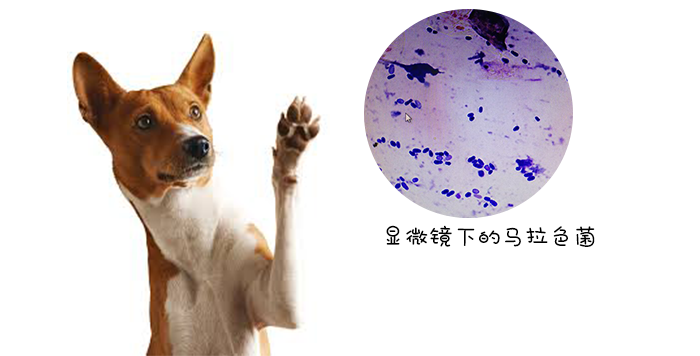
Fungal skin disease is a canine dermatophytosis caused by fungal infection. Microsporum canis and Malassezia are the most common. The multiple sites are on the face, limbs and tail. The skin has shed hair and appears round or oval. The ringworm spots may be accompanied by gray scales. This is a zoonotic disease, and people may also be infected by dogs.
Judgment of fungal infection
Somewhere in the dog's body (common in the face, forelegs, tail) there is a round or oval hair removal phenomenon, may be accompanied by skin redness, dandruff, etc., or there are obvious ringworm spots, shoveling excrement officer should be on guard, the dog may be infected by fungi, need timely medical examination.
1. Wood's Lamp Check
2. Skin scraping plucking microscopic examination
Fungal infection also need to take plucking mirror examination, under the microscope, whether there is a fungus. And the dog's skin disease is generally more complex, there may be fungi, bacteria, mites mixed infection, in most cases, skin scraping can quickly and intuitively diagnose the cause.
3. Fungal culture
Fungal culture can confirm the types of fungi and sensitive drugs. This method is of great help in the treatment of skin diseases, but it takes a long time, at least a week.
Fungal skin disease treatment
1. Apply antifungal drugs locally
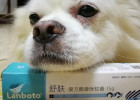
Fungal skin disease early or local mild fungal infection, shoveling feces can be under the guidance of veterinarians to the dog to use antifungal spray or ointment to treat the disease, such as Pitifen, 886 paint, ketoconazole ointment and so on.
2. Oral medicine and medicated bath
If the whole body or large area is infected with fungi, only rubbing drugs can no longer completely control the disease. Dogs need oral/injection of antifungal drugs (itraconazole) and external bath (antifungal shampoo such as spicy shampoo or Vikpaiojie), while supplementing fish oil and B vitamins to enhance skin resistance and speed up recovery.
Prevention of fungal skin diseases
1. Do not bathe frequently and push hair.
It is more appropriate to control the frequency of dog bathing once every 1-2 weeks. Frequent bathing or hair pushing may affect the protection of sebum on skin, resulting in hair follicle damage, decreased skin resistance of dogs, easy dryness and sensitivity, and fungal invasion.
2. Use pet bath
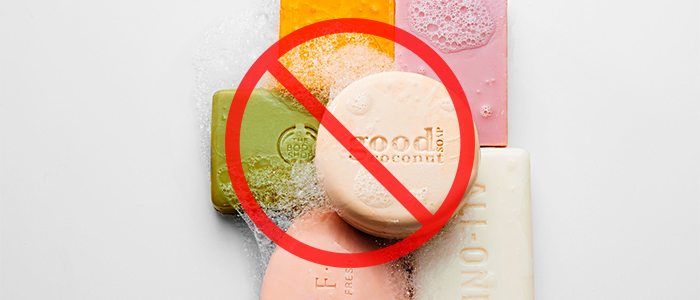
Human bath lotions, soaps, shampoos, etc. are not suitable for the fragile and sensitive skin of dogs, but they are often used by novice shoveling feces officers, causing the dog's hair to dry up, skin redness, and fungal infections.
3. Avoid contact with dogs with skin diseases
Most skin diseases caused by mites, fungi, etc. are contagious. Healthy dogs are likely to be infected with skin diseases after playing with sick cats. Dung shoveling officers need to pay attention to dog friendship circle and avoid contact with diseases.
4. Increase skin immunity
Dog malnutrition, physical weakness can also lead to low skin disease resistance, shoveling feces officer can give the dog proper nutrition, enhance physical fitness, regular sun exposure, feeding fish oil, lecithin, vitamin A to enhance skin immunity.
Although the skin disease treatment for a long time, but not terrible, as long as the use of drugs and methods of patient treatment, the dog will gradually recover.