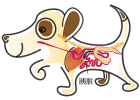
Is it dangerous to feed the leftovers on the table for a long time? Yes, for dogs, leftovers can cause dogs to eat too much fat and get fat. Obesity may lead to "three high" and "rich man's disease" such as pancreatitis.
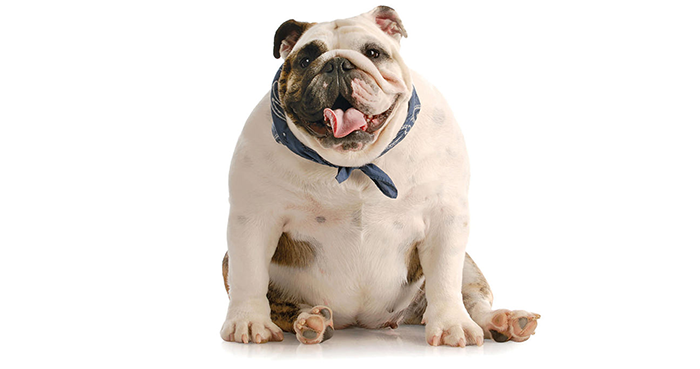
Case warning

What's wrong with a dog that's usually alive and kicking? There is only one truth-pancreatitis.
The etiology of canine pancreatitis (CPL) is complex, but the ultimate cause of pancreatitis is due to the digestion of pancreatic enzymes secreted by the pancreas.
Etiological investigation
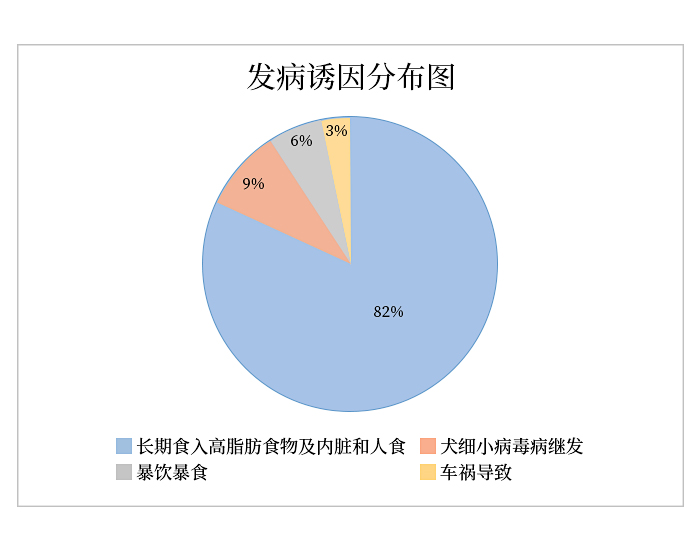
From September 2016 to March 2018, Lanzhou Kangle Animal Hospital received and diagnosed 33 dogs with pancreatitis. Through analysis and statistics, it was found that 81.8% of the sick dogs ate high-fat food, animal viscera and human food for a long time, 9.1% of the sick dogs suffered from canine pancreatitis secondary to canine parvovirus disease, 3.0% of the pancreatitis was caused by car accidents, and 90.9% of the sick dogs were overweight.
The cause of pancreatitis in dogs is obvious: obesity. In addition to obesity, other causes can also lead to pancreatitis. Let's take a look.
Long-term intake of high-fat foods or overeating
Long-term intake of high-fat food (mainly meat) or overeating is a common factor inducing pancreatitis in dogs. Too much food or high-fat food can stimulate the pancreas to secrete a large amount of pancreatic juice or change the content of pancreatic enzymes, causing the pancreatic juice secreted by the pancreas to flow back to digest itself and induce pancreatitis, which is called "autodigestion".
Overweight
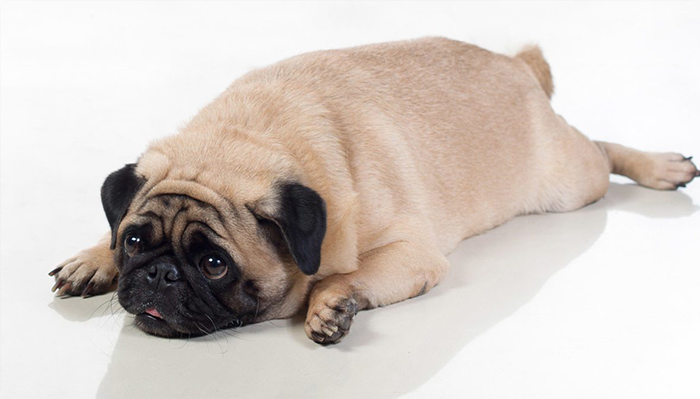
The survey showed that most dogs with pancreatitis were above the normal weight range.
Pancreatic duct obstruction
Intestinal parasites, duodenitis, biliary calculi and tumors can oppress the pancreatic duct and cause pancreatic duct obstruction, and pancreatic juice flows out of the pancreatic duct, causing pancreatitis.
4 Infection
Canine pancreatitis can be caused by canine parvovirus disease, canine infectious hepatitis, canine leptospirosis and biliary ascariasis.
5 Trauma
Severe stimulation of the pancreas, such as car accidents, beatings and falls, can lead to the occurrence of pancreatitis. Pancreatic tissue ischemia occurs for a long time, pancreatic tissue hypoxia, resulting in pancreatic tissue or local tissue necrosis, followed by pancreatitis.
6 Other
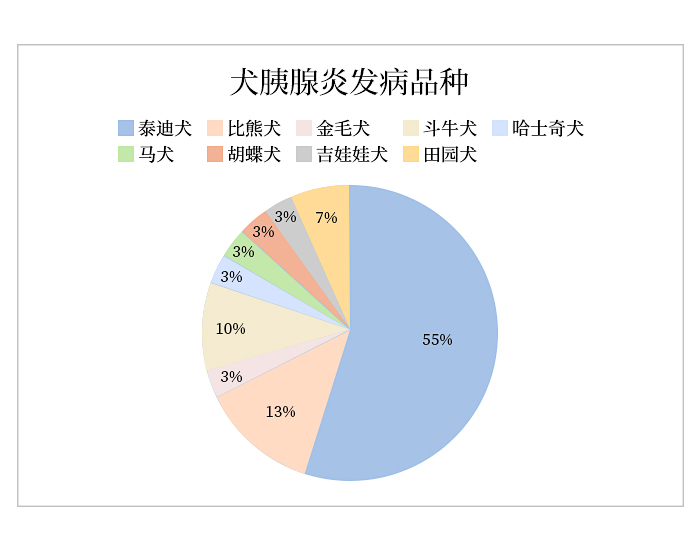
Biliary tract diseases, drug poisoning and metabolic disorders can also lead to pancreatitis. It is worth noting that compared with medium and large dogs, small dogs are more likely to morbidity, such as teddy (poodle), Schnauzer and so on.
Pancreatitis was diagnosed
Preliminary diagnosis of pancreatitis
Pancreatitis may be suspected
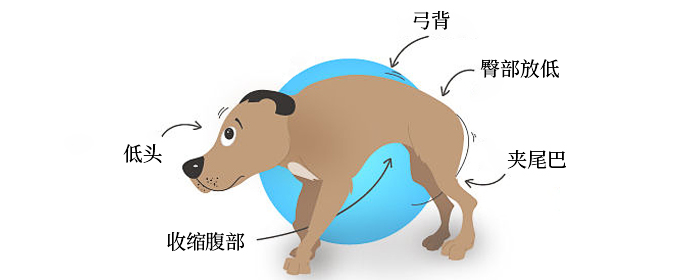
The pancreas is an important glandular secretory organ as well as a digestive organ. When the pancreas works normally, it secretes pancreatic juice. When pancreatitis occurs, the secretion of pancreatic juice is disordered, which can not play a good role in the digestion of protein and fat in the intestine, resulting in "coal tar" stool, vomiting and diarrhea in dogs.
Laboratory diagnosis
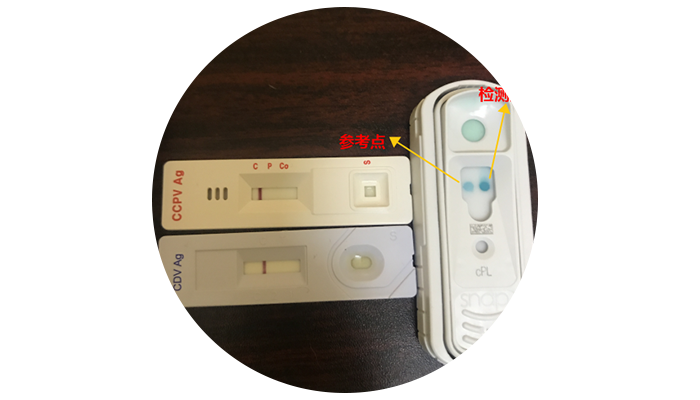
3 Distinction from other diseases
Canine pancreatitis has similar symptoms with many diseases morbidity, and may morbidity at all ages, so when diagnosing the disease, we need to pay attention to distinguish it from other diseases.
(1) Differentiation from infectious diseases
Some infectious diseases can cause gastrointestinal reactions, such as vomiting, diarrhea, bloody stool, loss of appetite and a series of symptoms. If the results of the examination exclude infectious diseases, the possibility of pancreatitis and intestinal diseases should be considered.
(2) Differentiate from gastroenteritis
Gastroenteritis can be divided into acute and chronic gastroenteritis, with symptoms of vomiting, diarrhea and hematochezia, but gastroenteritis can be effective with conventional antibiotics, and the recovery time is short. If antibiotics are ineffective, the possibility of pancreatitis and intestinal foreign bodies should be taken into account.
(3) Differentiate from esophageal injury, intestinal foreign body, intussusception and intestinal obstruction.
Dogs with esophageal injury will have dysphagia, while intussusception, intestinal foreign bodies and intestinal obstruction will have bright red bloody stool in the early stage, and hematemesis may occur.
Canine pancreatitis is a common disease, which can even threaten the life of dogs in severe cases. How to prevent? Once encountered, how to treat it? See the next article, Pancreas Strike! Dog is in critical condition!