
|
Qualified Poop Scooper Must Read: Dog Daily Essential Supplements

Qualified Poop Scooper Must Read: Dog Daily Essential Supplements

"Does the dog want to eat nutrition?" Must be a big question in the hearts of many shovelers, and some owners think that all the nutrition on the market can give dogs a dozen. If you want to choose the right nutritional supplements for them, you absolutely can’t miss Dr. E’s lesson today!

图片1

Probiotics—A Must-Have for Dog-Owner Households

Probiotics are small guards on the surface of the dog's intestinal tract. They can isolate all the harmful bacteria and viruses that the dog eats from the intestinal tract and protect the dog's safety. When the number of beneficial bacteria in a dog’s gut is insufficient, symptoms such as vomiting and diarrhea may occur.

图片1

1 What are the benefits of probiotics?

Although probiotics are tiny, they can play a significant role in your dog’s body and have a wide range of benefits. Below, Dr. E has summarized several common functions of probiotics:

图片1

2 probiotics how to choose?

Common probiotics are mainly divided into “transient strains” (such as Bacillus subtilis and Bacillus licheniformis) and “resident strains” (such as Bifidobacterium). Pet owners should choose the appropriate strain based on their dog’s specific needs.

As the name suggests, these are probiotics that pass through the gastrointestinal tract. Once they enter the gut, opportunistic bacteria consume intestinal oxygen, creating an anaerobic environment that suffocates and kills harmful microorganisms. Transient bacteria do not colonize the gut and are expelled from the body in the feces.

图片1

Commensal bacteria are a type of beneficial microbe that permanently inhabit a dog’s gut. They adhere to the surface of the small intestine, preventing pathogenic bacteria from colonizing the intestinal mucosa and helping to maintain microbial balance.

图片1

3 taking probiotics, skills!

The use of probiotics also requires proper technique; if they are used indiscriminately, their effectiveness will be significantly diminished.

Probiotics are anaerobic and will be consumed when taking them with air, stomach acid and bile. It can be said that they need to "go through five hurdles and cut six generals" to reach the dog's colon. Therefore, if you take too little, there are very few probiotics left that can really work.

A dog’s stomach acid has powerful antibacterial properties and can destroy beneficial probiotics. After your dog has finished eating, the stomach acid in its body has been largely neutralized by the food. Taking probiotics at this time can minimize the damage that stomach acid would otherwise inflict on them. Therefore, 1–2 hours after your dog’s meal is the optimal time to administer probiotics.

When administering probiotics to your dog, it’s best to mix them with warm water no hotter than 40°C. Probiotics are live microorganisms that enter a dormant state after drying. Water temperatures that are too high can alter the probiotic microbial community, while water temperatures that are too low may fail to reactivate the probiotics effectively.

As mentioned earlier, probiotics are anaerobic bacteria and tend to perish when exposed to air. Therefore, when pet parents give their dogs probiotics, they should administer the prepared dose as soon as possible.

图片1

The younger a dog is, the less mature its gut microbiota; therefore, puppies require more probiotics to help establish a healthy intestinal microbial community. Don’t give your dog too much the first time; you can gradually increase the dosage afterward.

When a dog has diarrhea, pet owners often administer medications to treat it; these may contain adsorbent ingredients such as montmorillonite (Smecta) and kaolin. Adsorbents treat diarrhea by binding water and toxins in the intestinal tract; however, they also adsorb probiotics. Therefore, after taking a medication containing an adsorbent, you should wait at least two hours before taking probiotics.

Antibiotics kill bacteria, so probiotics should not be taken at the same time as antibiotics. After taking antibiotics, wait at least four hours before taking probiotics.

图片1

Nutritional Paste – An Essential Must-Have for Dog-Keeping Households

Nutritional paste is a toothpaste‑like supplement packed with vitamins, fats, minerals, and other nutrients, typically used to quickly replenish a dog’s nutrition and help restore its health.


Nutritional paste contains a variety of nutrients essential for dogs and boasts an exceptionally high nutrient density, so even a small serving can meet your dog’s dietary needs. Moreover, the nutrients in the paste are easily digestible, placing minimal strain on your dog’s digestive system, making it an ideal supplement for dogs that have difficulty eating or whose digestive function is compromised.

1. Target Dog Population for the Nutritional Paste

In general, nutritional creams can play a role in supplementing nutrition, providing energy and promoting recovery, so which dogs need to be fed nutritional creams? The following table is a list compiled by Dr. E to see if your dog has been recruited:

图片1

2 nutrition cream, how to use?

Nutritional paste is great, but you need to master the proper way to use it. Pet parents, grab a pen and paper and take careful notes:

Although nutritional pastes can provide dogs with essential vitamins, calories, and more, they should only be used as a supplement; high-quality dog food remains the staple of their diet. You can use the nutritional paste as a little treat for your dog to boost their appetite and make training more engaging.


In addition, nutritional pastes cannot replace other specialized supplements; if you need to supplement calcium, enhance coat condition, or support digestive health, you should still choose products designed for those specific purposes.

The nutritional paste contains fat, and overfeeding can easily cause diarrhea in dogs, so pet parents must follow the feeding guidelines when administering it.

When feeding nutritional paste, do not let your dog lick it directly, as this can promote bacterial growth and make the product harder to store.

图片1

In addition to feeding nutritional paste, pet parents should also choose other supplements tailored to their dog’s individual needs to provide balanced nutrition. For example, long-haired dogs can be fed with fish oil to care for skin and hair. Dogs with calcium deficiency should be taken with calcium tablets.

Fatty acids-a good helper to protect the fur

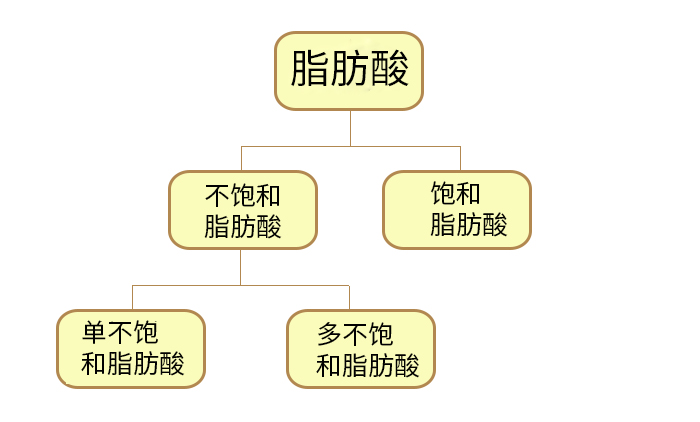
Fatty acids are divided into unsaturated fatty acids and saturated fatty acids according to saturation, and unsaturated fatty acids are divided into monounsaturated fatty acids and polyunsaturated fatty acids.

图片1

Fatty acids are divided into essential fatty acids and non-essential fatty acids. Essential fatty acids refer to fatty acids that the body needs but cannot synthesize themselves and must be taken from food, including Omega-6 and Omega-3 fatty acids.

1 Role of fatty acids

Fatty acids are the components of fat that provide calories to dogs.

If the dog's body of essential fatty acids lack, the dog's skin will be damaged, resulting in dry and dull hair, hair loss, dander, decreased immunity and other problems. Clinical results show that fatty acids play an important role in repairing skin damage, promoting fur growth and reducing recurrence.

2 Sources of fatty acids

Omega-6 is primarily found in corn, soybeans, and flaxseeds, and certain meats—such as pork, chicken, and beef or lamb—are also rich in omega-6.

Omega -3 is mainly found in deep-sea fish, phytoplankton and algae, as well as in animal brains and bone marrow. Omega-3 fatty acids are highly susceptible to oxidation from exposure to air, moisture, and light. Once a bag of dog food is opened, the added omega‑3s can quickly degrade, potentially leaving your dog with an insufficient intake. Therefore, pet parents should consider providing their dogs with a supplemental source of omega‑3.

How to supplement omega-3?

Compared with omega-3, omega-6 is more readily available and significantly more affordable. The omega-6 content in most dog foods is sufficient to meet a dog’s daily needs, which means that dogs are far more likely to be deficient in omega-3.


So, how should pet parents supplement omega-3?

图片1

If your dog has been consistently eating poultry- or red-meat‑based dog food, consider switching to a deep‑sea fish‑based formula on a regular basis. Because these dog foods all use fish as the primary ingredient, their omega-3 content is higher than that of other flavors.

If pet parents want to quickly supplement their dog with omega‑3, or if the dog is allergic to fish, they might consider giving the dog extra fish oil.

Deep-sea fish are rich in omega-3 fatty acids; when possible, pet parents can boil the fish in plain water and then feed it to their dogs.