
In this issue, we invite Dr. Ding Limin, Chief Scientific Adviser of Ambe Pet Food, to share with you the professional knowledge related to pet obesity.

Pet obesity is the most common nutritional disease in clinical practice. When the weight of dogs and cats exceeds 15% of normal weight, they can be judged to be obese.
The main causes of obesity in dogs and cats
Variety influence
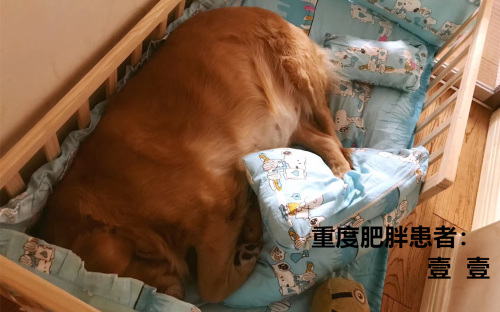
Obese breeds of dogs are mainly concentrated in golden retrievers, Labradors, pugs, Chinese sausage, Shelties, basset hounds, beagles, cockers and Cain terriers.
Cats, on the other hand, are more common in domestic shorthair cats. Hybrid cats are more likely to suffer from obesity than purebred cats. Many purebred cats, such as Siamese cats and Abyssinian cats, are thinner than hybrid cats, indicating that genes may affect weight.
Age and gender
Obese dogs are mostly 5-12 years old, especially those over 9 years old and under 12 years old. Overweight dogs in infancy are prone to obesity in adulthood; Most cats are 5-10 years old, and the incidence decreases significantly after 10 years. Dogs are more common in female dogs, accounting for more than 60% of the total incidence. Cats are commonly found in males.
Effects of sterilization and castration
Sterilization and castration can lead to a decrease in activity, a slight decrease in energy metabolism and an increase in food intake, which can lead to obesity in dogs and cats.
Endocrine and other diseases
Diabetes, hypothyroidism, hyperadrenocorticism, pituitary tumors, and hypothalamic injuries may also cause hyperphagia and lethargy in dogs and cats, leading to weight gain. More than 40% of dogs with diabetes and hypothyroidism are also obese.
Living habits and feeding methods
Overindulgence of pet owners, excessive feeding of pet's favorite food and snacks, especially high-fat food, or insufficient time to accompany pet activities, slows down the body's metabolism and leads to fat accumulation.
Symptoms of obesity
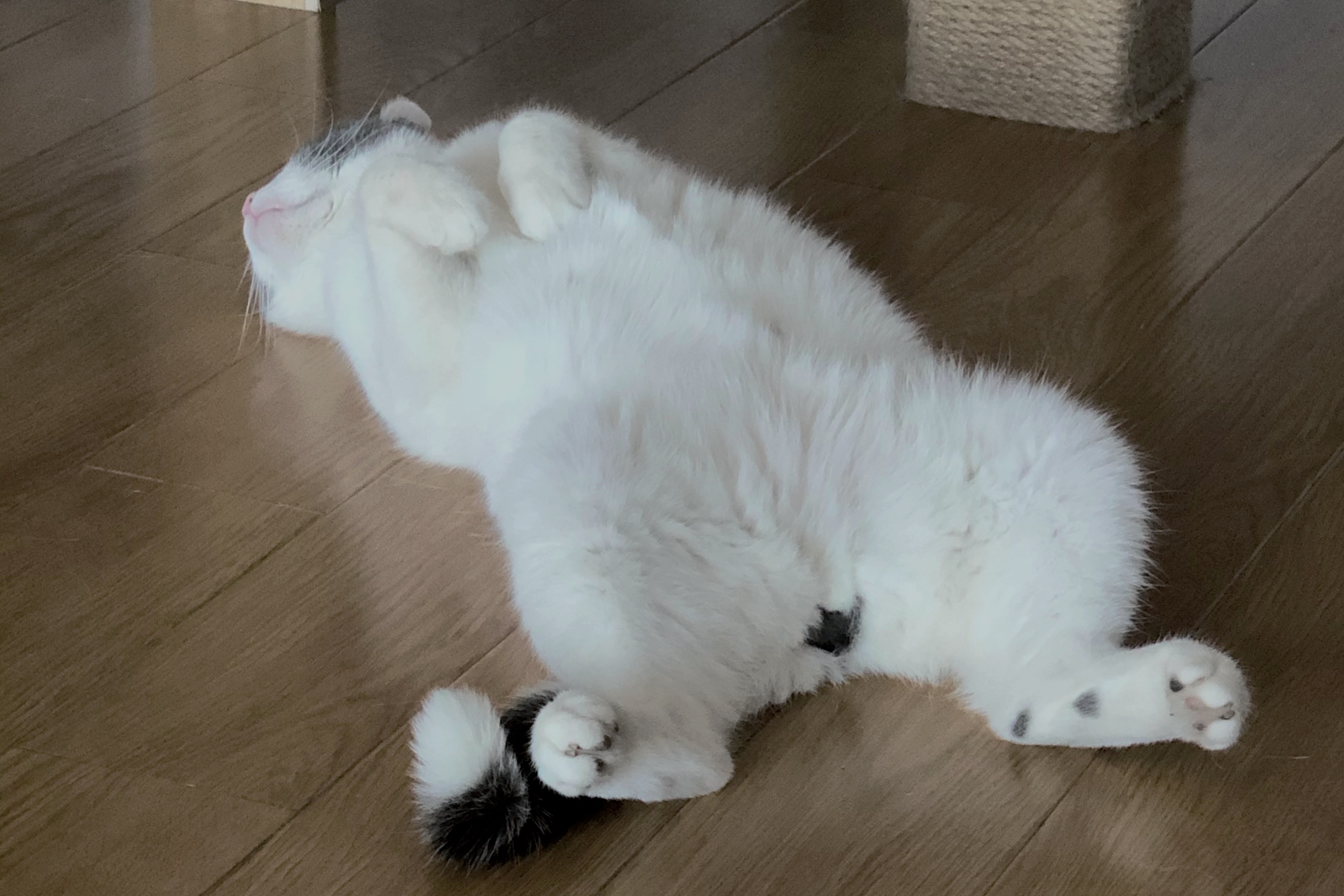
Fat dog and cat performance:
Simple and intuitive obesity examination
Touch the cat's ribs
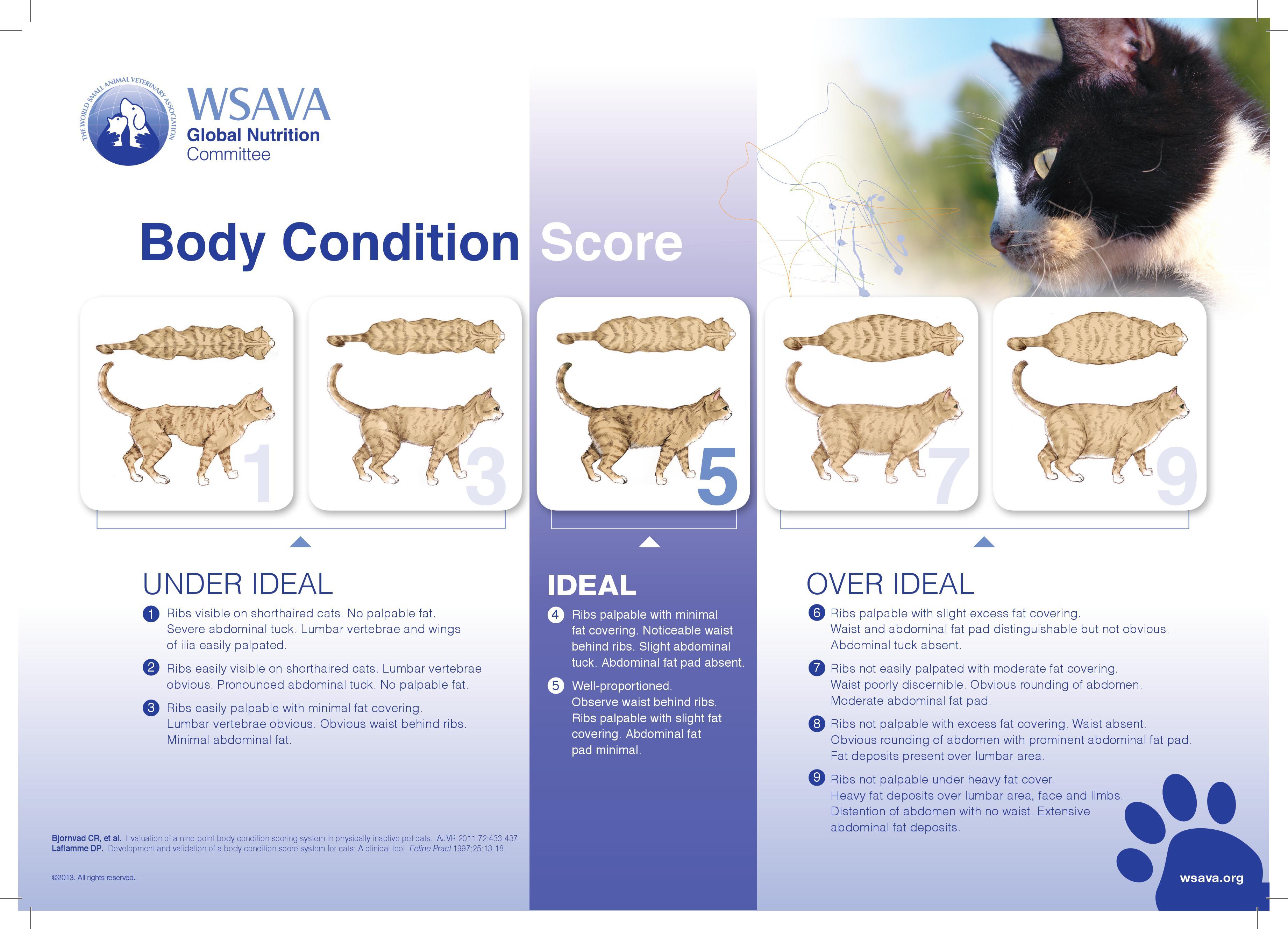
Canine and feline body condition score
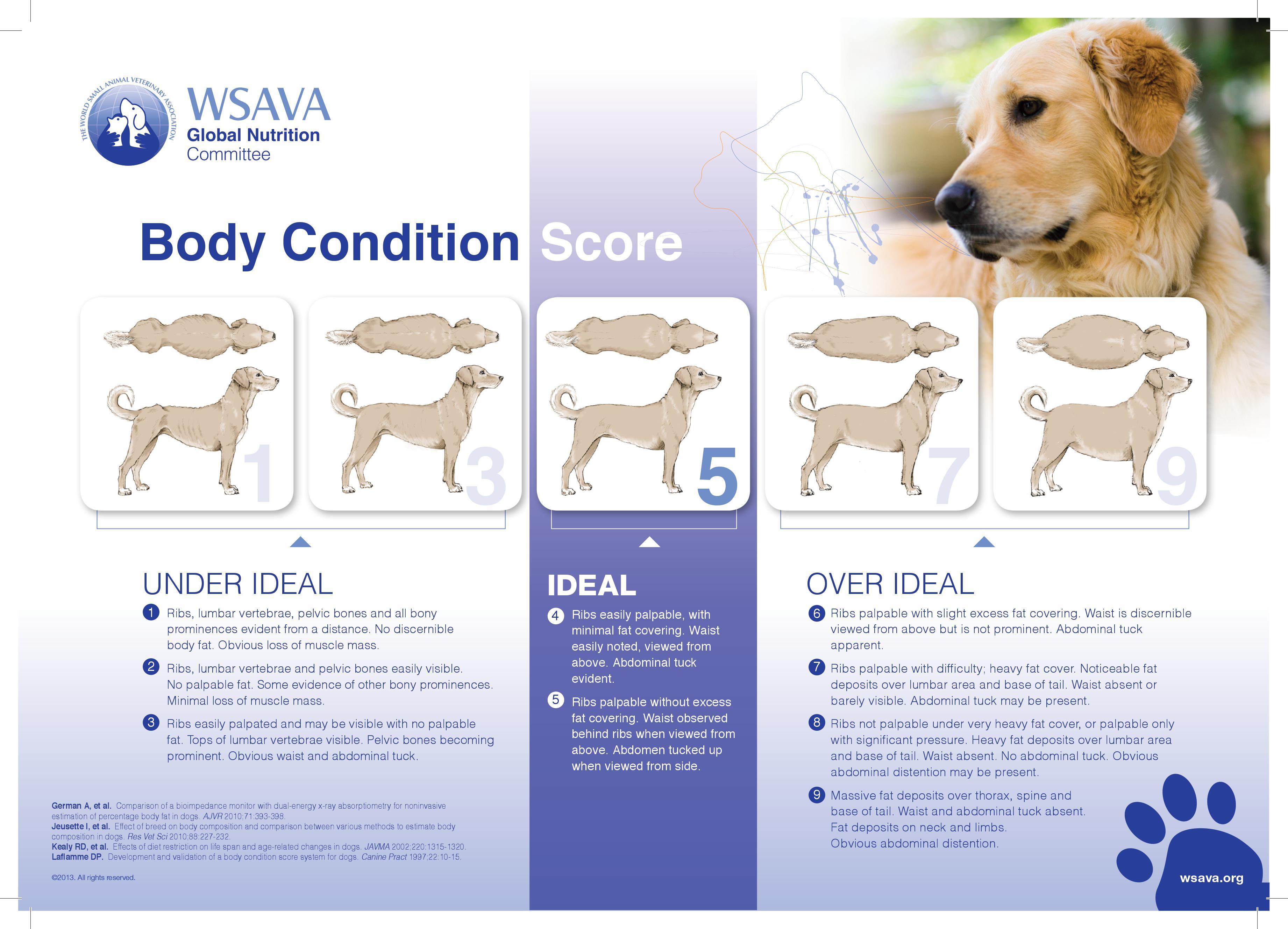
The Body Condition Score (BCS), a standard used in the United States, is a nine-point scale (1-9 points in ascending order of weight), of which 5 points is the ideal state, where the ribs can be easily felt and not covered by excess fat, and the abdomen can be observed behind the ribs from above. The abdomen is visible from above but not prominent. Abdominal folds present.
Pet dog and cat obesity-related diseases:
Many parents may not know that pet obesity can also indirectly cause many diseases and threaten health.

Obesity management
For pet obesity.. It is necessary to take comprehensive prevention and treatment measures, improve obesity through scientific feeding methods, and control the occurrence of obesity by means of prevention, so as to achieve the dual purpose of weight loss and health care.
1. Strengthen management and reduce high-fat food
Do not feed leftovers, reduce fat intake in food, and choose pet food for obese dogs and cats, such as prescription food for dogs and cats, high-fiber food for dogs and cats, and low-calorie food for dogs and cats.
2. Regular and quantitative feeding
By adopting the method of eating less and more meals, the food needed by pets in a day is divided into several times to feed pets, and dogs and cats with less activity are not fed with other food except food. Dogs and cats that are already obese should reduce their food intake moderately and reduce their daily calorie intake.
3. Increase the amount of exercise for dogs and cats and make a weight loss plan
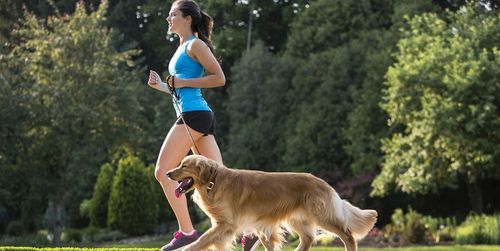
According to the plan, dogs and cats should exercise moderately for more than 20 minutes each time to accelerate the consumption of calories in their bodies and reduce the synthesis of excess fat. Play with pets in leisure time to increase activity time.
Pay attention to endocrine system diseases that may cause pet obesity
To prevent diabetes, fatty liver, hypothyroidism, hyperadrenocorticism and other diseases, once signs of risk are found, pets should adjust their food intake and choose low-calorie feed in time to avoid diseases.
Obesity has brought many hidden dangers to pets, even threatening their lives. In order to make pets healthier, it is necessary to strengthen pet management, adjust the wrong lifestyle, strictly control the pet's feed intake, feed less and eat more, feed obese pets with high-fiber and low-fat pet food, increase exercise, and reduce fat accumulation in pets. Keep pets in a scientific and reasonable way to keep them away from obesity and avoid a series of diseases caused by it.
References Etiological Analysis and Management of Obesity in