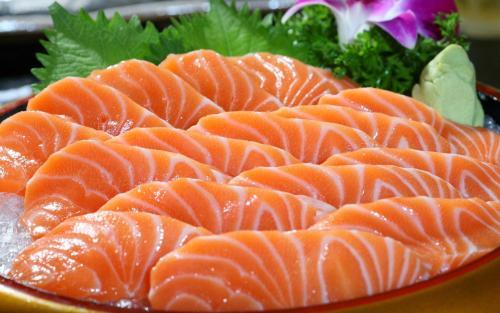
Is novel coronavirus found in salmon? Is that true?
Take it easy! It was not the fish that detected the virus, but the chopping board that cut the salmon that detected the virus.
At present, according to the media, only the salmon chopping board has detected the novel coronavirus, and there is no mention that the virus has been detected in salmon, while no novel coronavirus has been found in other beef, mutton, pork, vegetables, fruits and related facilities.
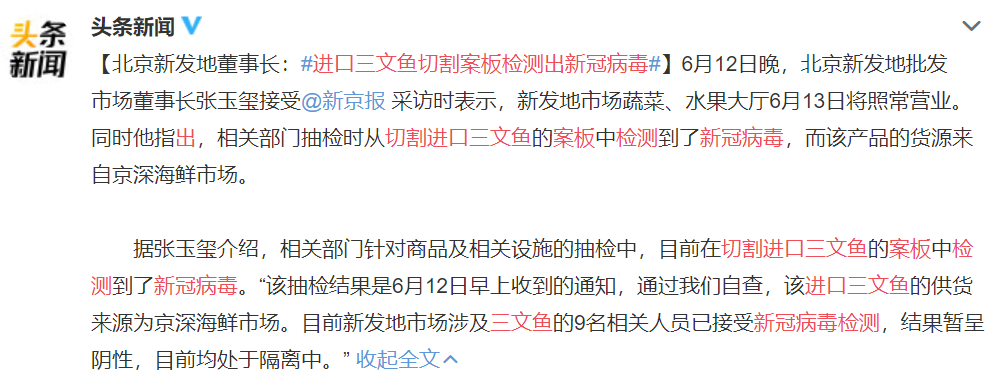
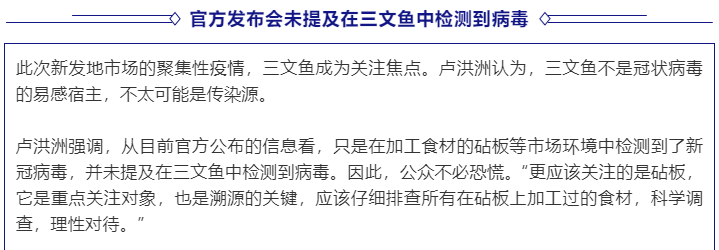
Wu Zunyou, chief epidemiologist at the China Center for Disease Control and Prevention, said. Salmon has caused some misunderstanding and misreading in the report. A positive sample of salmon, or a positive sample of nucleic acid on the chopping board of salmon, only represents contamination. This kind of pollution may be caused by the pollution in the new market, which can not fully represent the import from abroad or the pollution of the fish itself from the beginning. For the environment, except for salmon, other items were found to be positive, especially on other surface objects in the same hall, which only shows that they are contaminated here, not more problems.
Zhuo Jiatong, chief physician of the Guangxi Center for Disease Control and Prevention, believes that there are still doubts about the transmission of the virus. There are two possibilities: one comes from things, and the other comes from people. The virus on the chopping board may come from the fish, the user, or the person who passes by and talks to the owner of the chopping board.
As the work of tracing the source of the epidemic is still in progress, it is not known where the salmon was exposed to novel coronavirus in the process of slaughter, transportation, packaging and cutting.
Can salmon be infected with novel coronavirus?
The possibility is very small, very small!
Novel coronavirus is a member of the family Coronaviridae, the genus Beta Coronavirus, which only infects mammals. Moreover, novel coronavirus mainly acts on the upper and lower respiratory tracts, and its pathological effects are mainly concentrated in the lungs, while most fish do not have lungs.
On May 1 this year, a team of researchers at University College London (UCL) published an article predicting that SARS-CoV-2 virus can form stable complexes with receptor protein homologues in mammalian hosts, but not with fish, birds or reptiles. This article analyzes the interaction between ACE2 protein homologues and TMPRSS2 protein homologues and novel coronavirus in 215 vertebrates, and concludes that novel coronavirus is difficult to infect fish, birds and reptiles outside mammals.
Earlier in April, the Asian Journal of Fisheries Sciences published a paper co-authored by experts from FAO, the Chinese Academy of Fisheries Sciences and the Yellow Sea Fisheries Research Institute of the Chinese Academy of Fisheries Sciences. The paper notes that novel coronavirus belongs to the family Coronaviridae, the genus Beta Coronavirus, which only infects mammals. Moreover, novel coronavirus mainly acts on the upper and lower respiratory tracts, and its pathological effects are mainly concentrated in the lungs. However, except for lungfish, fish do not have lungs, so they are not easily infected with the virus.
Can you still feed salmon to dogs and cats?
Experts advise not to eat raw salmon for the time being.
Although imported salmon is transported by freezing, it does not necessarily freeze to death the novel coronavirus. Regular imported salmon, in order to reduce the risk of parasites, often need to be frozen, such as freezing at minus 20 degrees Celsius for more than a week or freezing at minus 35 degrees Celsius for more than a day, and it takes a long time to transport to China, such as Chile to China, frozen products generally take more than 30 days to transport. However, previous data on SARS virus show that 2/3 of the virus can survive for 28 days at 4 C and 20% relative humidity.
China imports about 80,000 tons of chilled and frozen salmon every year, with Chile, Norway, the Faroe Islands, Australia and Canada as major sources of salmon imports. Like Australia and Canada, the virus is still rampant, and salmon processing may be contaminated with the virus.
Fan Zhihong, a doctor of food science at China Agricultural University, advises against eating raw fish.

The view of the picture is from the perspective of nutrition, "novel coronavirus detected in imported salmon?"? Nine Suggestions to Ensure Food Safety, by Fan Zhihong, Doctor of Food Science, China Agricultural University.
If you don't eat salmon, what else can you eat?
In addition to salmon, there are other alternatives for dog and cat hair. Salmon contains a lot of unsaturated fatty acids such as DHA, which is very important for dog and cat skin and hair health, but salmon is not the only source.
Saury, hairtail, yellow croaker, flat fish and other offshore fish with affordable prices are also sources of DHA. Determination shows that the content of DHA in domestic Perch and other freshwater carnivorous fish is not inferior to that of imported salmon, because the feed of these carnivorous fish contains marine fish meal, and fish meal contains DHA, fish can accumulate and enrich DHA in the body from the feed.
Is the cat and dog food with salmon still safe?
According to the current data, the possibility of transmission of COVID-19 by cooked food is very small!
Authorities, including the World Health Organization, generally believe that COVID-19 virus is unlikely to be transmitted through food. In view of the current millions of cases, the spread of COVID-19 virus mainly depends on droplet transmission, and cases often have close history of contact.
The novel coronavirus is not resistant to high temperature. At present, it is known that the novel coronavirus is sensitive to heat. Heating at 56 ℃ for 30 minutes can effectively inactivate the virus. Zhang Liubo, a researcher at the Chinese Center for Disease Control and Prevention, believes that three minutes is enough to kill the novel coronavirus if it is boiled water at 100 degrees Celsius.
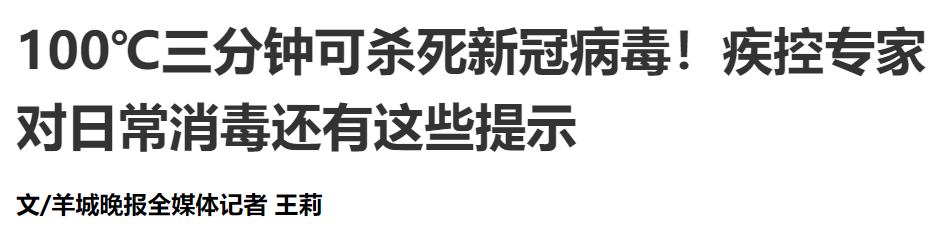
The puffed dog food is prepared by a puffing process, water is added in the form of steam in the forming process of the dog food, and the temperature is raised to 100 to 180 deg C, so that the raw material starch of the dog food is gelatinized. In the production process of
Although the news that novel coronavirus has been detected on the salmon chopping board is very frightening, please be rational and careful. We can certainly protect ourselves and our dogs and cats.