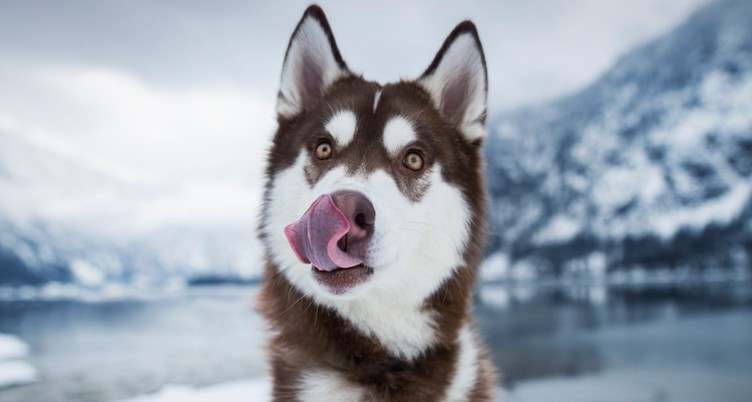
Dogs' noses come in many colors, including black, pink, brown or the same color as their own hair. But if the dog's nose changes from black to pink, it should be taken seriously! Below, Dr. E will list the common causes of nose fading in dogs and how to deal with them.

Internal factors
1 Genetic factors
For example, snow mastiffs, apricot huskies and some dogs in the cold zone will carry light-colored genes, resulting in the color of the nose will not darken. You don't have to deal with this situation.
Aging affects melanin deposition
As the dog gets older, it will lead to poor pigmentation of the dog's skin and cause the nose to fade.
Treatment: You can feed seaweed powder + astaxanthin to help pigmentation.

Leukoplakia
Vitiligo, also known as vitiligo, is an immune system disease of dogs. If you get this disease, the dog's hair will have white spots and the nose will fade. For example, German shepherds, Rottweilers and other dog breeds are more likely to suffer from this disease. Improvements in diet can alleviate some of the symptoms of the disease.
Lack of trace elements
Due to the lack of trace elements and vitamins in the body, pigmentation will be affected, which will lead to nose fading.
Treatment method: It can supplement seaweed powder, improve the absorption of trace elements in dogs, make pigmentation, and achieve the purpose of nose blackening.
External factors
? 1 Snow nose
In a warm environment, the pigmentation of the dog's nose is easy to precipitate. In winter, the temperature is low, so the dog's nose is easy to fade, and when summer comes, it usually returns to black. As long as the dog is in good spirits, it is a normal phenomenon.
Contact dermatitis
Contact dermatitis from a plastic bowl can also cause your dog's nose to discolor, and your dog's lips are often swollen.
How to deal with it: Just replace the plastic rice bowl with stainless steel.

Lack of ultraviolet radiation
Due to long-term inability to go out or other reasons, they can not be exposed to ultraviolet radiation, resulting in the loss of pigment in the body, resulting in the fading of the dog's nose.
How to deal with it: It is recommended to take the dog out to bask in the sun. If the dog's nose is completely pink, you must pay attention to protecting its nose in the sun and not let it be exposed to the sun.
4 External damage
A dog's nose can also turn pink if it is scratched or bruised, or if it has experienced other illnesses or psychological trauma. Generally, the color will be restored when the trauma is healed.