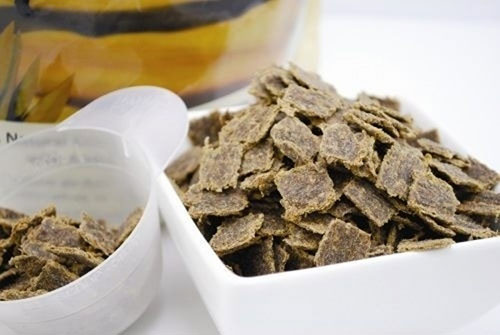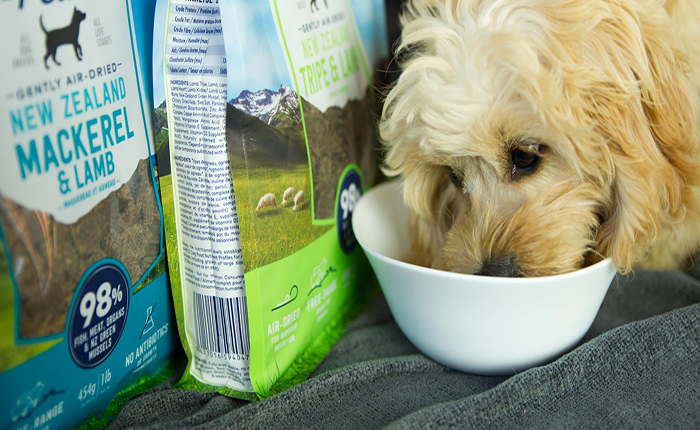
Air-drying food has a history of hundreds of years. This process is derived from the oldest meat preservation technology of mankind. Air-drying can make meat storage for a longer period of time. Nowadays, air-drying technology has also been applied to the production of pet food, and more and more owners have begun to choose air-dried food for their dogs.
What is the wind dry food
Air dry food generally uses low temperature air dry technology, so that food in the natural state of drying and dehydration made of dog food. Due to the long production cycle and high production cost, the price of dry food is also relatively expensive.
Advantages of Wind Dry Food
1 High reduction degree
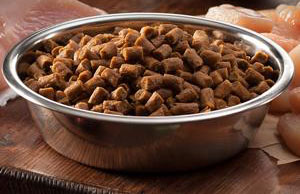
Wind dry food meat content is very high, does not contain carbohydrates, more close to the dog's original diet nature. The air-drying process can protect the various enzymes, nutrients and natural proteins in the ingredients to the greatest extent, and fully lock the nutrients.
2 No additions
The air-drying process can maintain the original taste of fresh meat and fruits and vegetables to the greatest extent, not only can make dogs eat more fragrant, but also can help dogs absorb more efficiently, reduce the amount of stool and reduce the smell of stool. The air-drying process does not need to add preservatives, etc., and has a long shelf life and is easy to carry.
3 taste better.
The meat of the wind dry food is more compact, which can give the dog the pleasure of eating meat and biting, and the palatability is better.