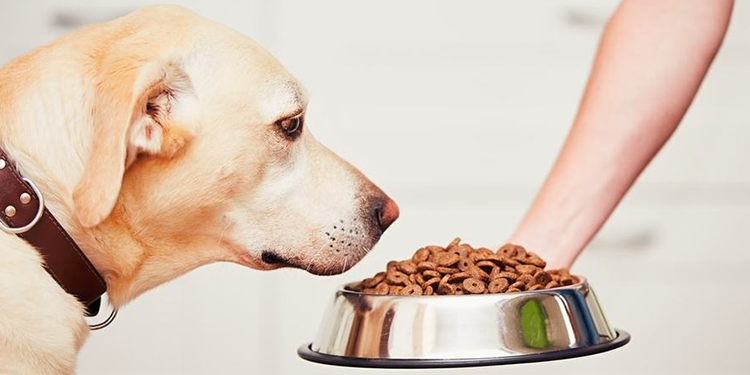
In theory, dogs are omnivorous animals, but this does not mean that all food can be fed to them. As a dog breeder, you must clearly understand what food taboos dogs have. Today, let Dr. E give an in-depth explanation so that everyone can better understand the little secret about dog food!

These foods can be eaten
1 Salt
If humans lack salt, it is easy to cause physical fatigue, in fact, dogs are the same. Proper salt can add physical strength to the dog, but also to maintain the hair luster, not easy to fall off. If a dog eats salt-free food for a long time, it is impossible to live a healthy life. According to NRC standards, a minimum of 0.76 per cent salt is required for puppy food and 0.15 per cent for adult dog food.
Dogs just need less salt than humans.
Human heat dissipation is mainly through the whole body sweat evaporation, sweat will take away a lot of salt, so people must add a lot of salt to meet the needs. The dog mainly relies on breathing to dissipate heat. Although the sweat glands on the soles of the feet will sweat and dissipate heat when it is hot, the amount is not large and can be ignored.

Therefore, compared with humans, dogs need very low salt, if excessive intake, it will affect the dog's heart, kidneys, etc., if too little, it is easy to cause the dog's growth stagnation, skin dryness and so on.
2 choose the right salt food feeding
The dog's food can't be as salty as human food, nor can it be completely free of salt, so how should it be chosen?
(1) Dog Food & Wet Food
As long as the food produced by the regular manufacturers is in line with the nutritional standards, its salt content will not cause harm to the dog's body, so don't worry. If you are worried that dog food is too salty, you only need to provide your dog with adequate drinking water.
(2) Meat & Offal

Meat has a higher salt content than fruits and vegetables, and dogs can get enough salt from meat. If the dog is eating meat, salt may not be added.
2 Bones
When dogs used to hunt in the wild, they needed to eat all the bodies of their prey, including bones. But we need to pay attention to, can not give the dog to eat cooked poultry bones, because this kind of bone cooked after very sharp, will scratch the dog's digestive system.

the benefits of eating bones:
① help molars
② calcium, clean mouth

2 Precautions for feeding bones
Although there are many benefits to eating bones for dogs, not all bones are suitable for dogs. So, what are the taboos?
(1) pay attention to raw bone feeding
The raw bones are relatively soft, and the dog's bite is bone foam, which is not easy to hurt the dog's intestines and stomach. However, feeding raw bones is easy to infect parasites, and inexperienced owners still recommend cooking white water for feeding.

(2) the bone should not be too small
A dog’s teeth are actually very sharp and can crush bones, so don’t cut the bones into pieces that are too small. If the pieces are tiny, your dog may find them so easy to eat that it swallows them whole without chewing, which could cause the bones to become lodged in the esophagus or stomach. If the bone is too large for your dog to hold in its mouth, you can cut it into smaller pieces as needed.
(3) Do not feed too much
Feeding bones should be moderate, eating more easily constipation. For small dogs and old dogs, due to the fine intestinal tract, the peristalsis function is reduced, and it is not easy to digest. For homemade recipes, bones can account for up to 10% of the daily feeding amount. If you feed your dog commercial dog food, the amount of bones should be kept very low and used only as treats.
(4) Types of bones that cannot be fed
Although dogs can eat bones, not all bones are suitable for feeding!

3 Meats
Although dogs are omnivores, they are mainly predisposed to carnivores. The main nutrition of dogs comes from high-quality protein, that is, high-protein and low-fat foods. High-quality animal protein includes chicken, fish, duck, beef, lamb, pork, turkey, rabbit, venison, and eggs. The source of plant protein is mainly all kinds of beans and cereals, but plant protein is not easy to be absorbed by dogs and is not very useful, so give less.
4 Vegetables
Vegetables can provide a variety of vitamins your dog needs and help alkalize your dog's body, liver, pancreas, gallbladder, heart, kidneys and other organs. A lot of meat can cause too much acidity in the dog's body, which can cause digestive problems and many other problems. The addition of vegetables can offset all the acid accumulation and help keep the dog healthy.

Vegetables for dogs:
4 Fruits
Dogs are omnivorous partial carnivorous animals. They are very different from humans, that is, dogs can synthesize vitamin C in the body from the meat they eat, so fruits do not have much effect on VC supplementation for dogs. However, the fruit is rich in cellulose and water can enhance the dog's gastrointestinal function, so eating less is beneficial to the dog.

Can eat fruit:
① Banana: Banana contains sucrose to promote the increase of beneficial bacteria in the intestinal tract than Fidelia, help intestinal peristalsis, especially for dogs with constipation or diarrhea.
② Apple: Apple is rich in dietary fiber, pectin has the effect on the body to eliminate toxins. Note that contains a lot of sugar, should not eat too much.
③ Avocado: Avocado contains a lot of protein & vitamin E, as well as lipids. Unsaturated fatty acids in lipids can help keep dog hair skin shiny and beautiful. Dogs with allergies are highly recommended.
⑤ Orange and grapefruit: rich in vitamin C, supplement physical strength and help digestion. Constipation dogs can eat, but they should not eat too much.
2 dog eat fruit matters needing attention
(1) Do not give dogs the seeds or cores of fruits: fruits with many seeds or large cores should not be given to dogs if the seeds and cores of fruits cannot be removed. Because it's impossible for a dog to chew these seeds or cores. Fruit seeds or kernels are absolutely not to be eaten by dogs.
These foods cannot be eaten
Because of the metabolic differences between dogs and humans, some foods can be harmful to dogs. Misuse of these foods, mild will cause the dog's digestive system disorders, heavy will bring serious illness and even death to the dog.

1 Alcoholic drinks
Dogs ingesting alcoholic beverages can cause poisoning, coma and even death.
2 avocados/avocados
The leaves, seeds, fruit and bark of avocados contain a toxin called persin, which can cause vomiting and diarrhea in dogs.
3 chocolate, coffee, tea and other foods containing caffeine
Chocolate, coffee, tea, etc. This food contains caffeine, theobromine, theophylline, etc. can cause vomiting and diarrhea in dogs, and these substances are harmful to the heart and nervous system of dogs.

4 Fat meat
To the dog to eat fat, it is easy to cause the dog to eat too much fat, suffering from pancreatitis.
5 Grapes and raisins
Grapes contain an unknown toxin that can cause serious damage to the dog's kidneys.
6 Hops
Contains an unknown substance that can cause wheezing, increased heart rate, elevated body temperature, convulsions, and death in dogs.
7 Nuts
It contains an unknown toxin that can cause damage to your dog's digestive system, nervous system and muscles.
8 Milk and milk products
Many dogs are lactose intolerant and may experience severe diarrhea when consuming cow's milk.

9 Onions
Contains maple and disulfide can damage red blood cells and cause anemia.
10 Persimmons
The seeds of persimmon can cause intestinal obstruction or enteritis.
11 Peach or plum kernels, etc
May cause obstruction of the dog's digestive tract.
12 Sugar Foods
It can lead to obesity, dental problems, and possibly diabetes.
13 table leftovers
Table leftovers is a kind of unbalanced nutrition, and contains a lot of flavoring agent, the dog's internal organs are very harmful.

14 Tobacco
Contains nicotine, which can lead to rapid heart rate, collapse, coma and death.
15 Fermented Dough
After eating, the dog will continue to ferment and expand in the digestive tract or produce gas in the digestive system, causing severe pain and gastrointestinal rupture.
16 Xylitol
Can extremely reduce blood sugar, causing hypoglycemia, can lead to vomiting, weakness or collapse, high doses can cause liver failure.