It is believed that the problem of food protection is a problem faced by many dog parents, especially those dogs that have not been raised since childhood. When the first mate arrived home for 9 months, he was nearly an adult. Many living habits have been formed, among which the problem of food protection is particularly serious. The first time I asked him to gnaw the bone, because I wanted to take a closer look, my face was a little closer to him, so I rushed up and gave me a bite. Fortunately, it was not serious, otherwise it would be broken. Since then, I haven't given any more bones for a long time, and I have also started to learn about training methods for dog protection.
Training Principle
The reason why dogs protect food is not because they are afraid of being robbed of their beloved things. If taking away their beloved things means getting better, will they still protect food?
Training Highlights
1, normal heart
first of all, the dog's behavior of protecting food is understandable. secondly, the owner should not be afraid (defeat him first from the heart). finally, he should face the dog's protecting food with a calm mind.
2, adhere
when the dog comes up, you have to stick to it longer. I understand the dog this creature is: bully the weak and fear the hard, push your luck, push your nose on the face. But when others are strong, he is unintelligent.
3, patience
step by step, don't ask the dog to change immediately, just ask for a little progress every day.
4, repeat
When you master the skills, seize every opportunity to train and practice over and over again.
5, exchange
Whatever he wants to take away from the dog, he will exchange it for something he likes better, which will establish such an association in his mind that if he takes away my things, he will get better.
said so much, now start the actual operation (you can wear thicker and gloves to prevent bites during training), starting from eating every day...
Training method
first stage:
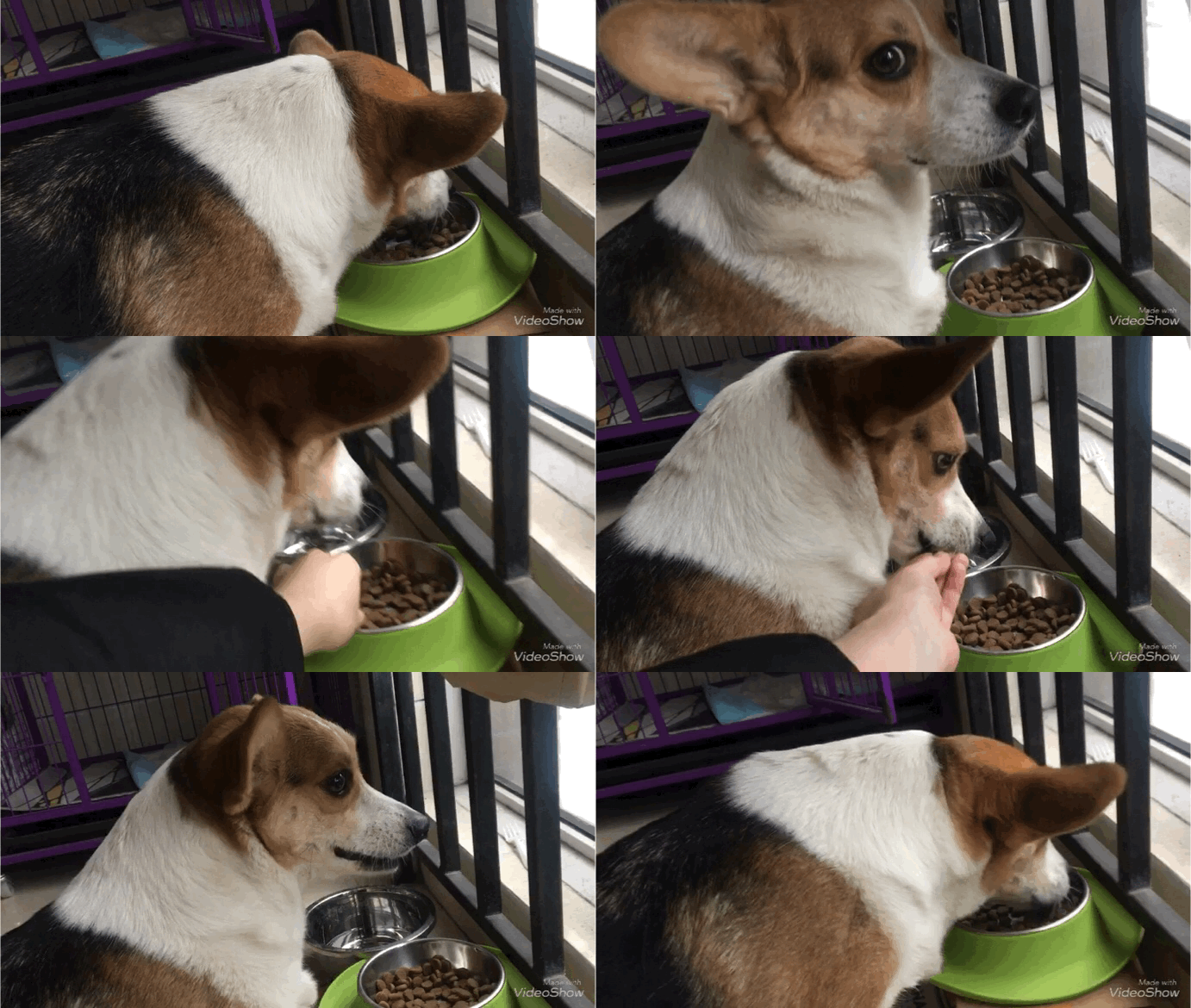
When the dog eats, the master approaches slowly. If he sounds a warning, the master will stand still. When he lowers his head and eats bitterly, the master will continue to approach.
Training goal: Even when you are around, the dog can feel at ease when eating.
Stage 2:
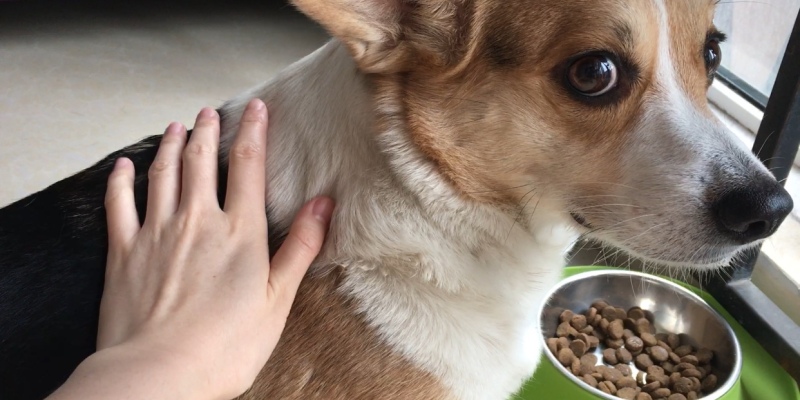
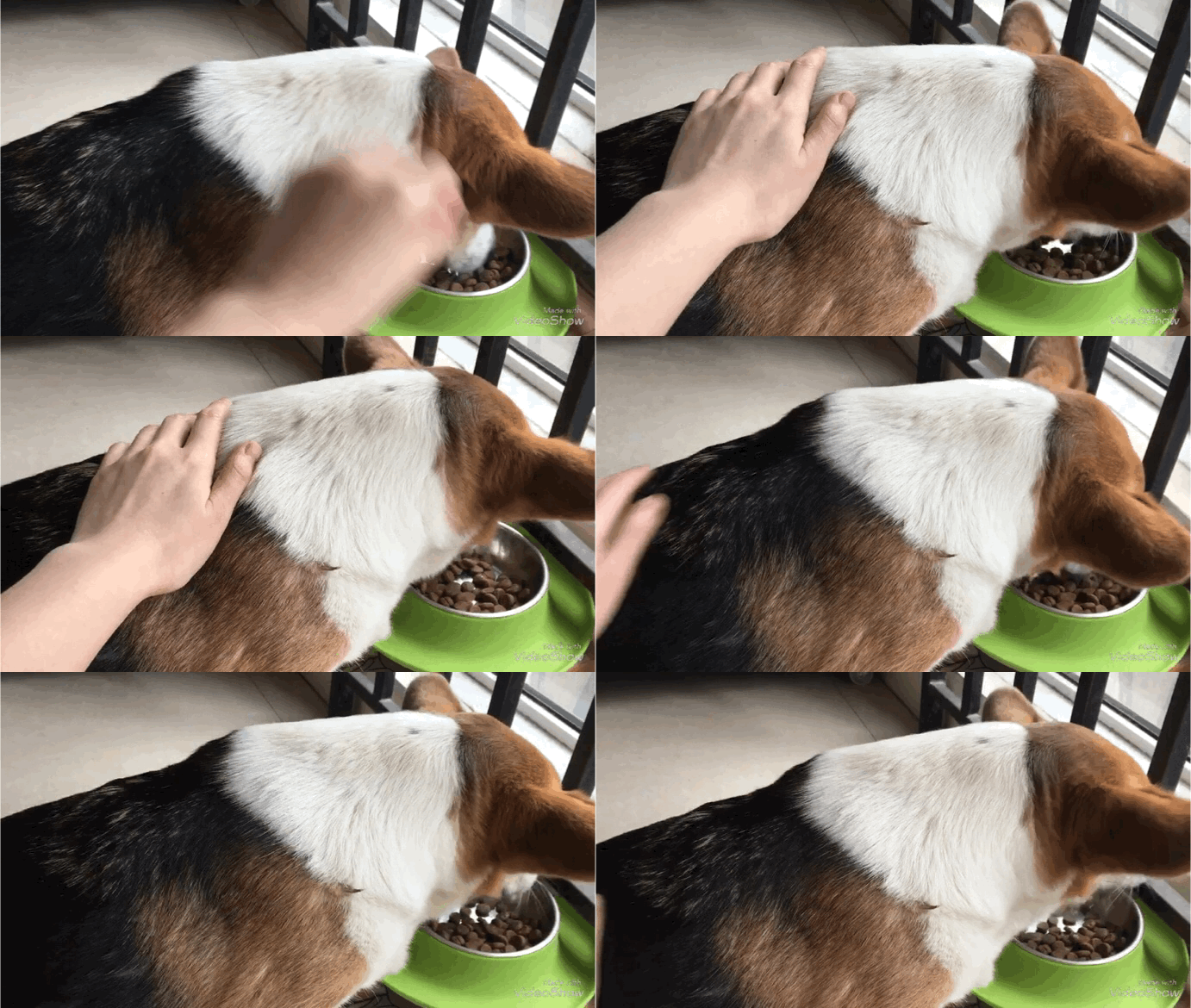
When a dog slowly puts his hands on his back while eating (keeping his mind relaxed), he may react by keeping his hands still on his back until he continues eating. When he returns to continue eating, the hand can be stroked back and forth on his back.
this stage of training may take a period of time to practice repeatedly. to say so much, just master it: when he expresses unhappiness, the host will remain still (never flinch here). when he doesn't care, the host will take the next step (to put it bluntly, he will ask the host to push his luck).
Training goal: Let the dog get used to the owner's touch when eating
Phase Three:
interrupt him on the way to dinner, you can use the password "NO" learned in the first episode ". If he does, he will be rewarded; if he does not, the dog will be taken away.
training goal: let him understand that the food is given by the host, and only good performance can he have food to eat
Phase Four:
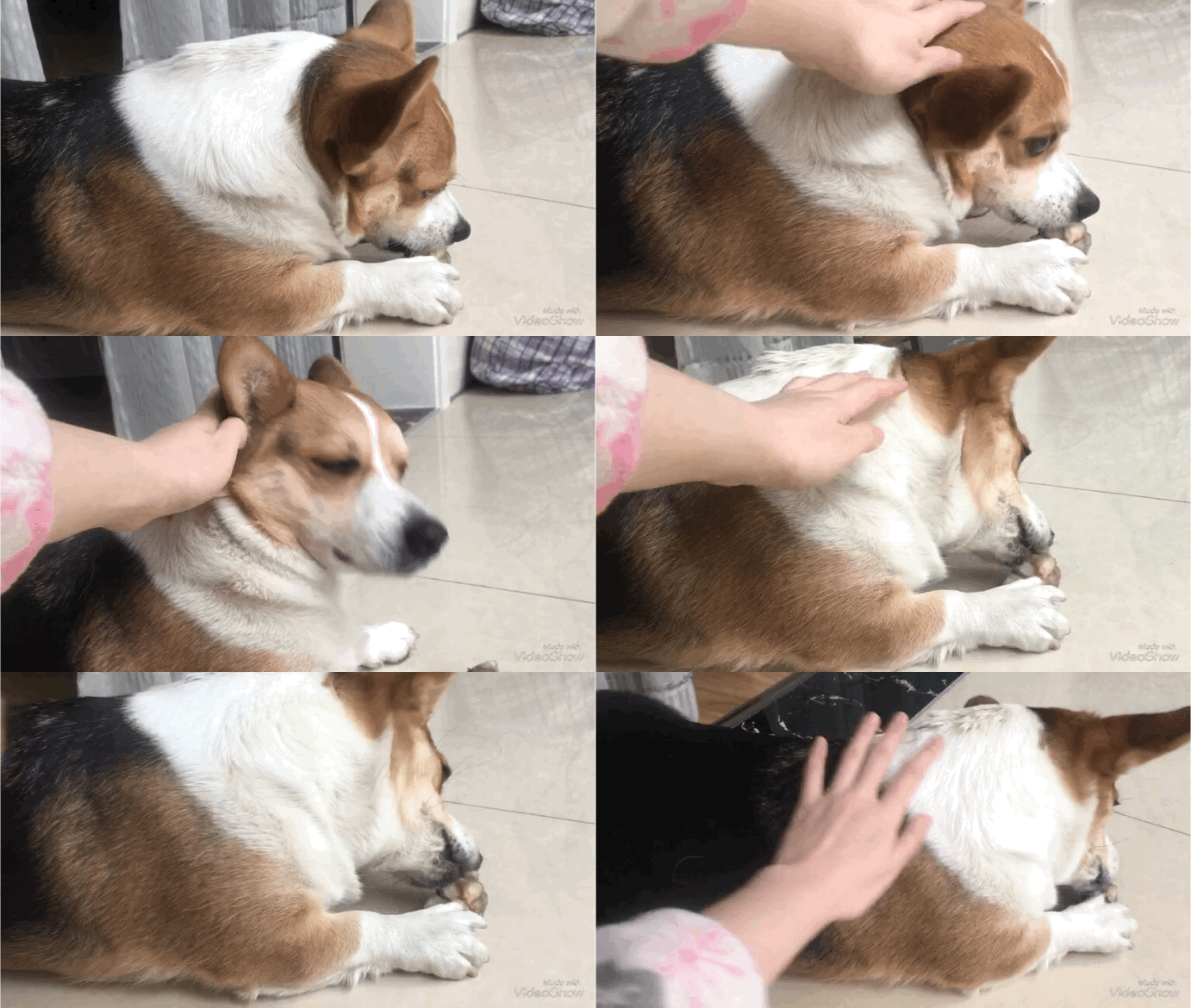
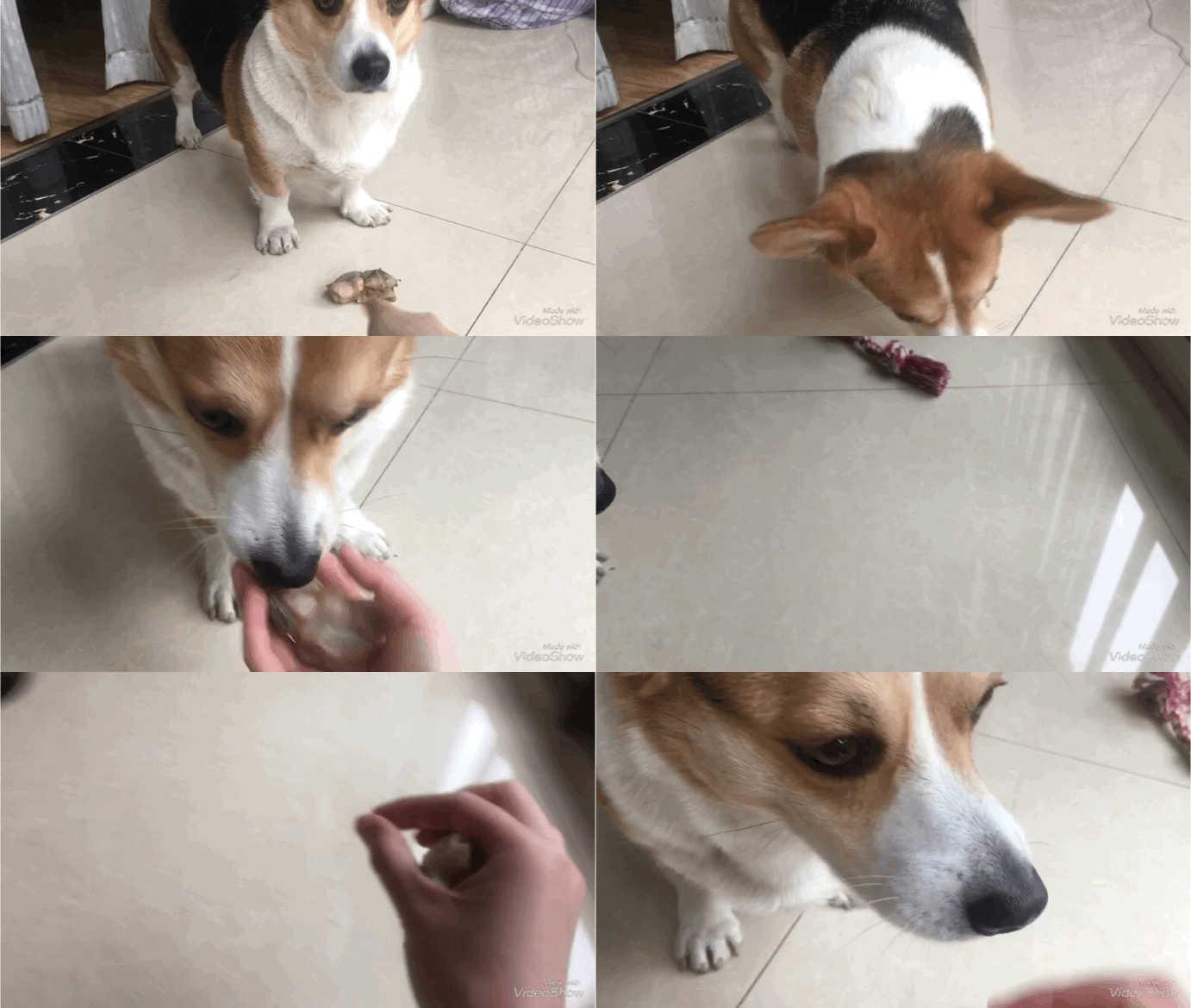
When the above three stages are completed, change the training props and increase the difficulty step by step according to his love for food, but the method is the same. The first mate's favorite here is bone, so use bone to give you a demonstration
After these four stages, let's take a look at the training results of the first mate. You can exchange dog food for his favorite bones.
Compared with when I first got home, the first mate is much better now, and his personality is much more stable, so you must not have the idea that you are not familiar with dogs halfway. As long as you are sincere to him and patiently guide him, he will definitely become what you want him to be!
Although the first officer has mastered some skills at present, there are still more skills that we need to explore and learn together, predict what will happen, and listen to the next breakdown.
small white player dog training-episode 3: food protection